On this page:



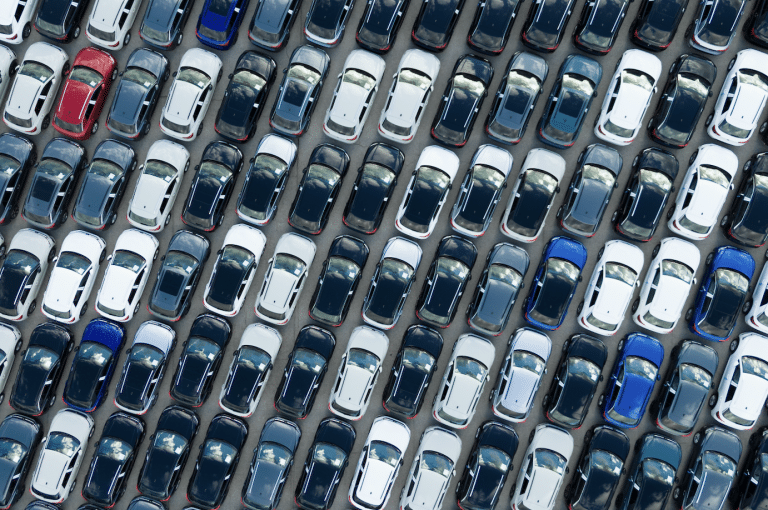
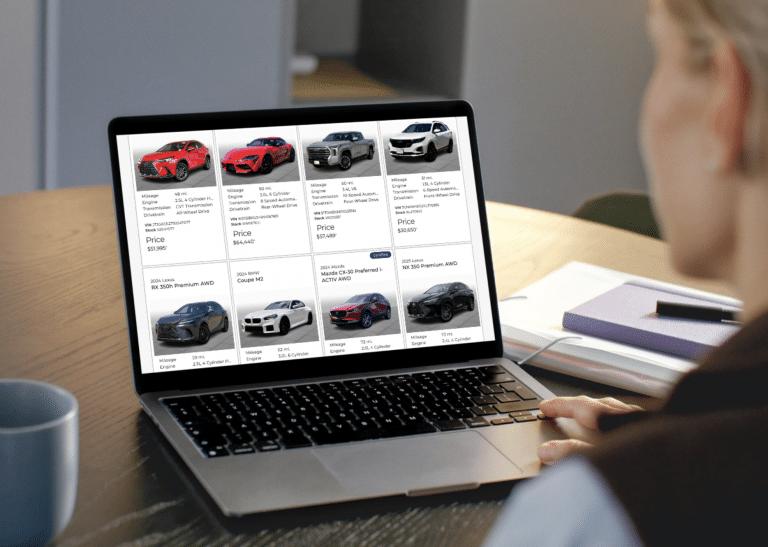
Most dealerships know how long it takes to sell a car, but not as many track how long it takes to get that car listed online.
That time gap is important.
The period between acquiring a car and listing it online is when you can either gain or lose momentum. Any delay means less visibility, slower engagement, and higher holding costs. Many teams think photography is the main issue, but the real problem is the workflow that surrounds it. Here’s what really happens between acquiring a car and getting it online, and where dealerships often lose time without noticing.
The Real Dealership Merchandising Workflow
Getting a vehicle online might seem simple from the outside, but inside the dealership it’s a series of interconnected steps that rely on each other.
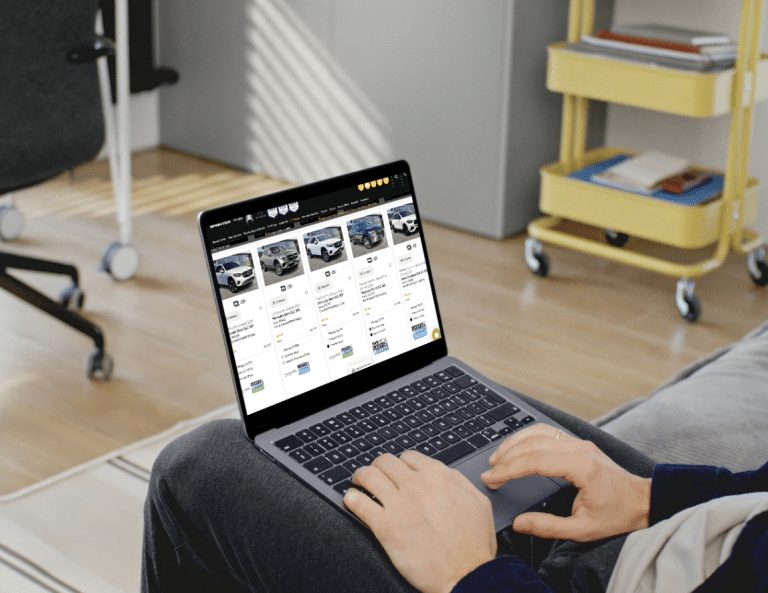
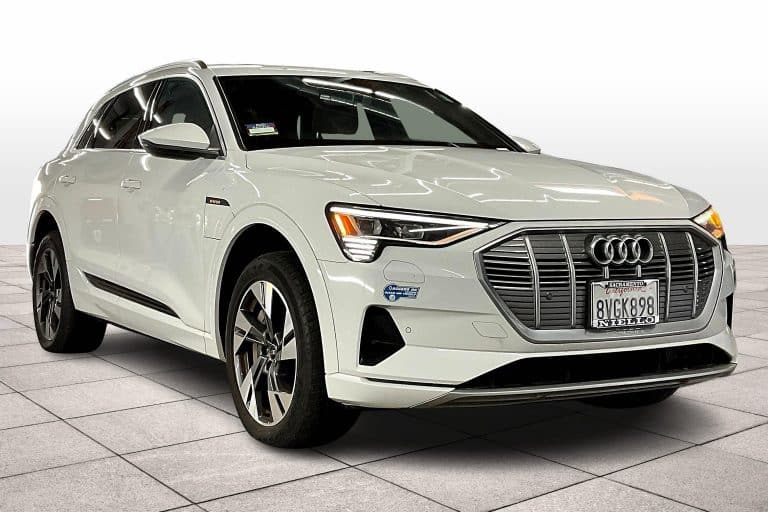
The process starts with acquiring the car, then moves through reconditioning and inspection, and then making sure it’s ready for photos. After that, the vehicle is photographed, the images are uploaded and reviewed, and finally, the listing is published on the dealership website and other marketplaces.
Every step can cause delays. Most dealerships don’t struggle with visibility—they struggle with coordination.
Where Bottlenecks Actually Happen
Photo readiness is usually where time first gets lost. Cars often wait between reconditioning and photography because there’s no clear rule for when they’re actually ready. One team might think the car is done, while another is still waiting. Without a clear checkpoint, inventory ends up sitting longer than it should.
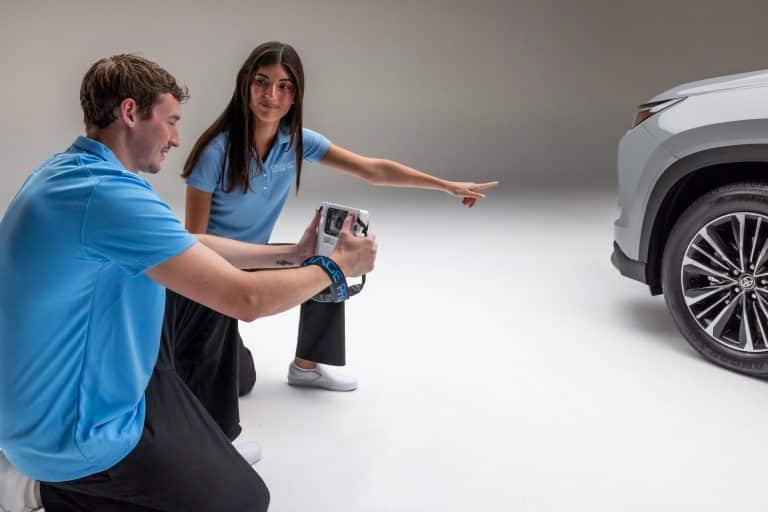
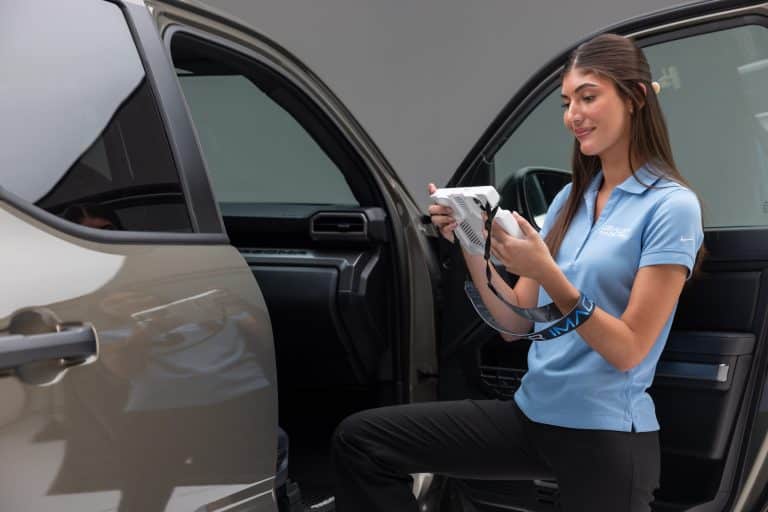
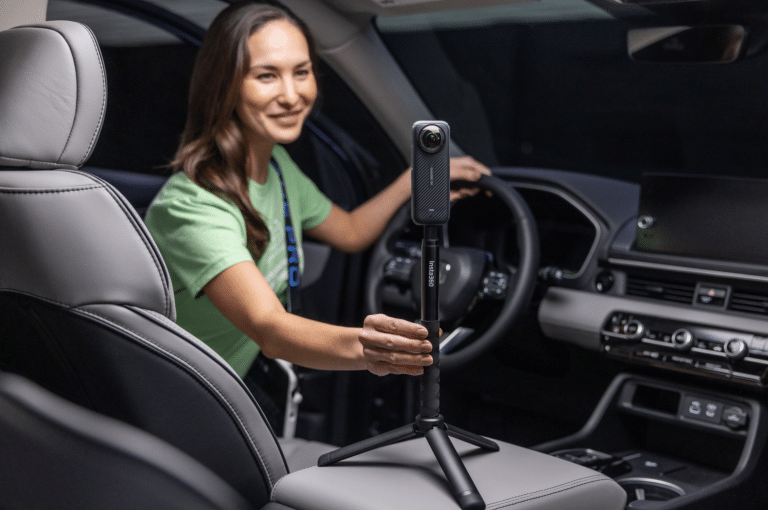
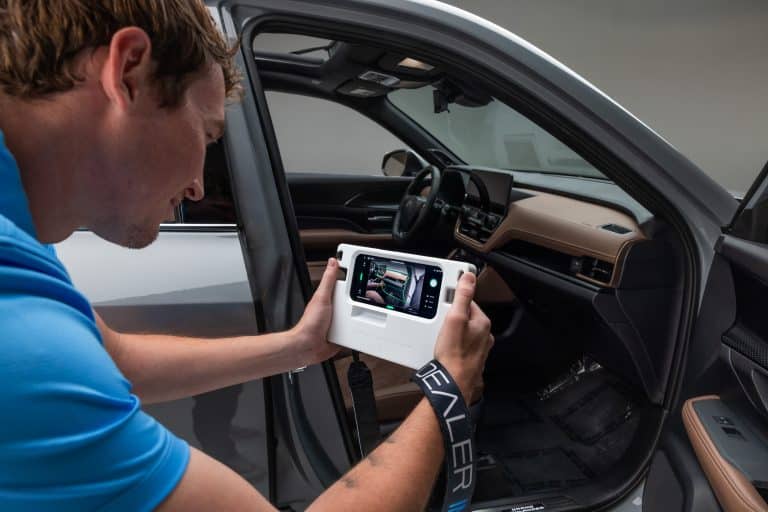
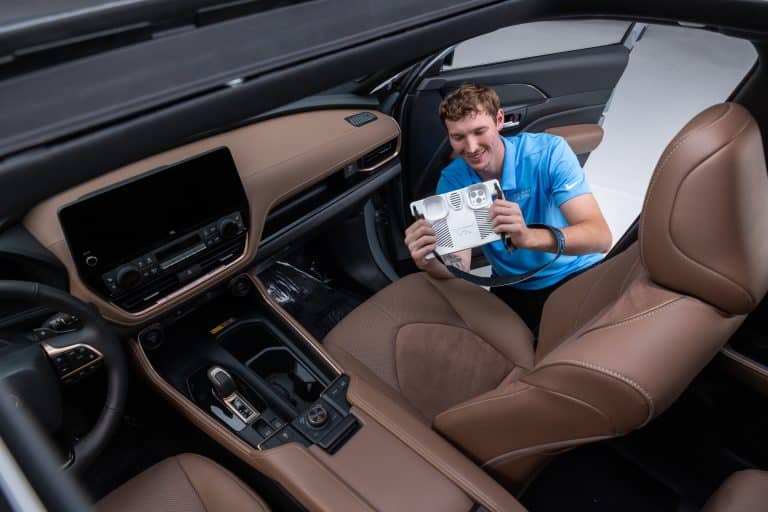
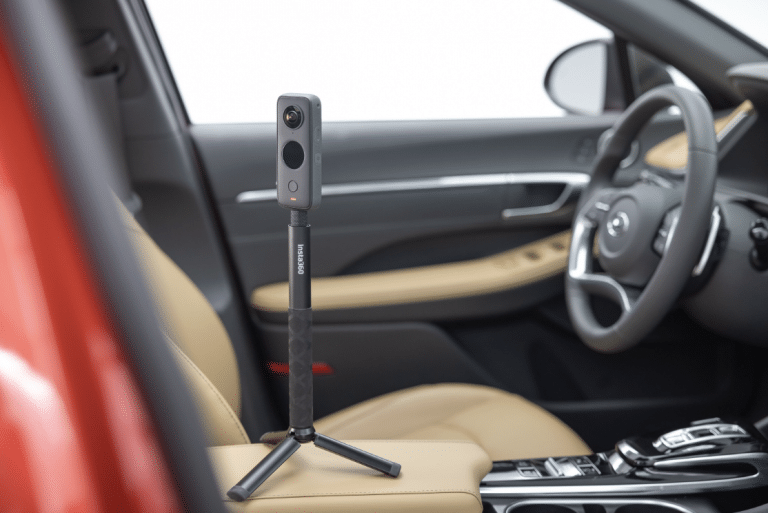
Imaging can also become a bottleneck if it’s only done at set times instead of as an ongoing process. If dealerships depend on outside vendors or have limited time slots, missing just one can delay a car by a day or more. Doing imaging in-house helps keep things consistent and keeps inventory moving smoothly.
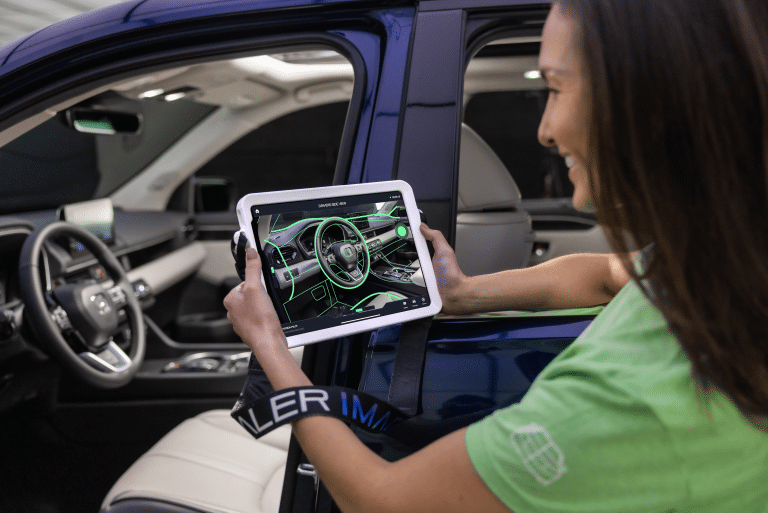
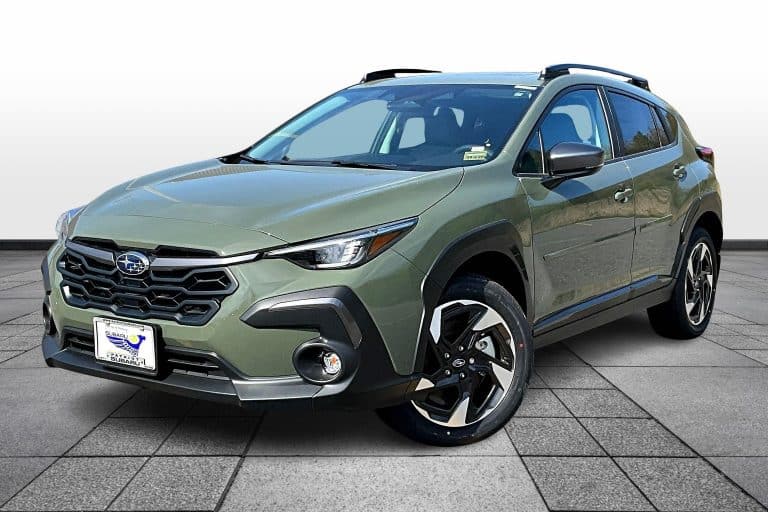
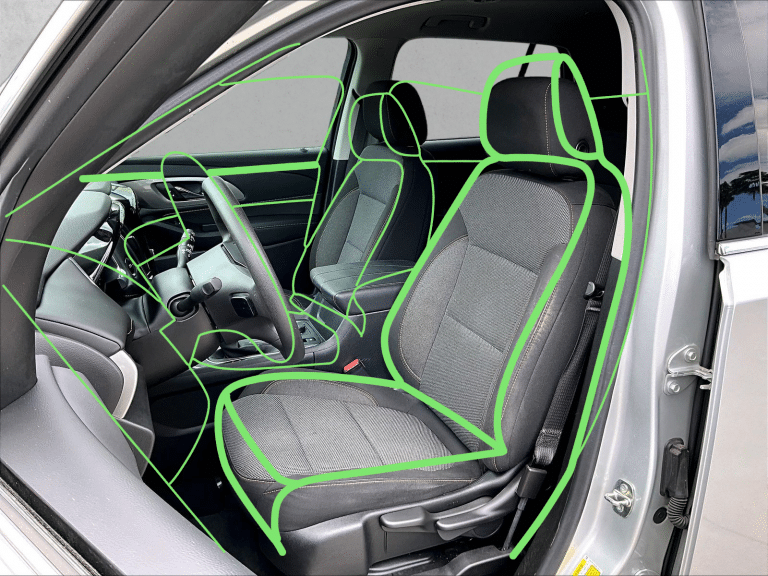
Inconsistent photo sets can also slow things down. Even if photos are taken quickly, missing angles or out-of-order shots make the next steps harder. Teams then have to spend extra time checking, fixing, or asking for retakes. Using a clear, repeatable shot list helps avoid these problems and keeps things running smoothly.
Uploading and tagging photos is often overlooked, but it can quietly slow down the whole process. Photos have to be organized, labeled, and linked to the right listings. If this step relies on manual work or not enough staff, it becomes a hidden bottleneck that keeps cars from going live even when they’re ready.
Quality control often happens too late. Mistakes are found after listings are live, which means extra work and inconsistencies across different platforms. If quality checks are done earlier in the process, problems can be fixed before they cause delays or affect the customer experience.
The Cost of Delay
Every extra day between getting a car and listing it online makes a real difference.
- Less time visible to shoppers
- Lower engagement early in the listing lifecycle
- Increased holding cost
- Slower overall inventory turn
Speed isn’t just about efficiency; it directly affects your revenue.
Why Most Dealerships Misdiagnose the Problem
It’s easy to blame photography, but it’s harder to spot where the process itself breaks down.
When workflows aren’t clear, even the best teams lose time. Small gaps between steps can lead to bigger delays throughout the whole process.
Top-performing dealerships focus on removing uncertainty. They create processes that are clear, repeatable, and easy to follow every time.
How to Remove Bottlenecks and Get Inventory Online Faster
Improving your workflow starts with having control and being consistent.
- Define a clear standard for when a vehicle is photo-ready
- Keep imaging in-house to avoid scheduling delays
- Use a consistent shot list across every vehicle
- Streamline how photos are uploaded and organized
- Build quality checks into the process before listings go live
When every step is clear and predictable, the whole workflow moves faster and stays simple.
The Bottom Line
Most dealerships do not have a photo problem. They have a process problem. The process from acquiring a car to getting it online should be simple, consistent, and quick. When you achieve that, inventory goes live sooner, listings perform better, and buyers feel more confident right away.
FAQs
How long should it take to get a car online after acquisition?
Most dealerships should aim to have a vehicle live within 24 hours after it is photo-ready. Delays beyond that usually point to inefficiencies in the merchandising workflow.
What is a dealership merchandising workflow?
A dealership merchandising workflow is the full process of preparing, photographing, uploading, and publishing a vehicle listing online, from acquisition to a live listing.
What causes delays in getting inventory online?
Delays are typically caused by unclear photo-readiness standards, reliance on external photographers, inconsistent photo sets, manual upload processes, and late-stage quality control.
Why is time to market important in automotive retail?
Faster time-to-market increases visibility, improves shopper engagement, and helps reduce holding costs by getting inventory in front of buyers sooner.
Should dealerships handle vehicle photography in-house?
In-house photography gives dealerships greater control over speed and consistency, helping reduce delays and improve overall listing quality.