On this page:



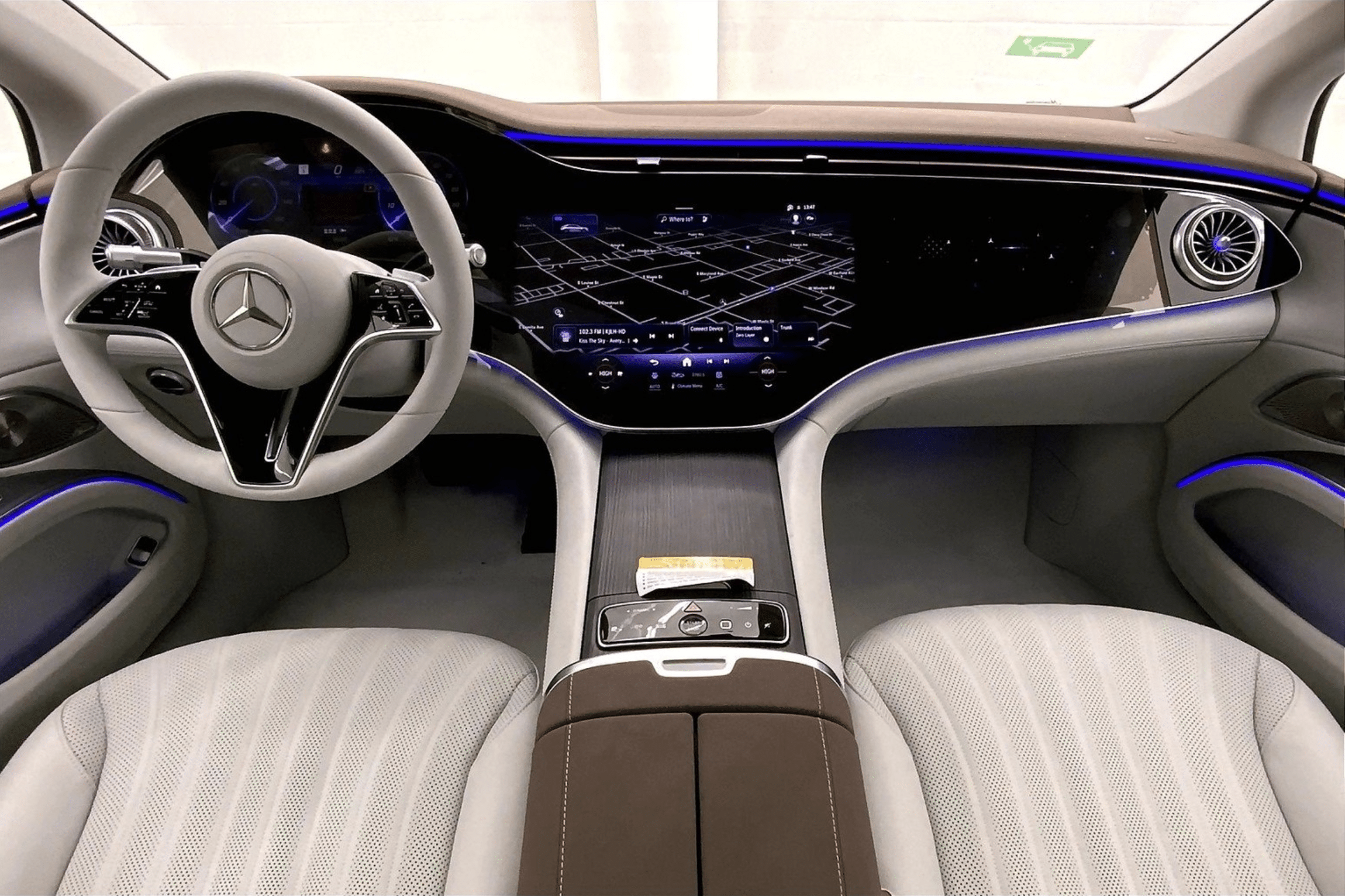
If your inventory photos are inconsistent, late, or constantly being reshot, the issue usually isn’t effort — it’s strategy. Here’s what dealerships most commonly get wrong when building an in-house photography team, and how to fix it.
Why Dealerships Choose In-House Photography
Dealers typically move photography in-house to:
- Speed up time-to-market
- Reduce vendor costs
- Gain more control over inventory visuals
Those goals make sense. The challenge is execution.
Without the right structure, in-house photography can quickly become inconsistent, inefficient, and costly.
Mistake #1: Assigning Photography to the Wrong Roles
One of the biggest issues dealerships face with in-house photography isn’t who is shooting — it’s who shouldn’t be.
Photography often gets assigned to:
- Managers pulled in too many directions
- Salespeople whose focus should be selling
- Team members without the time or consistency to own the process
When photography competes with revenue-driving roles, it usually loses — and inventory suffers.
How to Fix It
In-house photography works best when it’s assigned to roles that can focus on consistency and process, such as:
- Porters
- Marketing team members
- A dedicated full-time photographer
These roles are naturally aligned with repeatable tasks and visual consistency.
The key isn’t job title — it’s ownership and accountability. When the same people are responsible for capturing inventory every day, quality improves, reshoots drop, and vehicles go live faster.
Photography shouldn’t interrupt selling or management. It should support it.

Mistake #2: Assuming Equipment Matters More Than Training
Many dealerships invest in better cameras, phones, or gimbals — but skip training altogether.
Good equipment doesn’t guarantee good photos.
Without guidance, teams struggle with:
- Framing and angles
- Lighting consistency
- What shots actually matter to shoppers
How to Fix It
Training beats equipment every time.
Dealership photography teams need:
- Clear shot lists
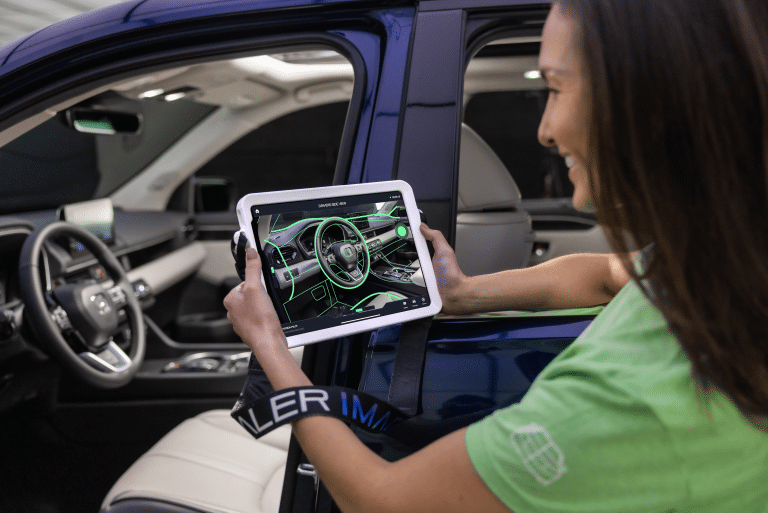
- Visual wireframe guidelines
- Ongoing coaching and feedback
When teams know exactly what to capture and how, quality improves fast.
Mistake #3: No Standard Process or Workflow
If every photographer shoots differently, your inventory will look different — and not in a good way.
Common issues include:
- Missing shots
- Inconsistent angles
- Vehicles published late
- Reshoots slowing everything down
How to Fix It
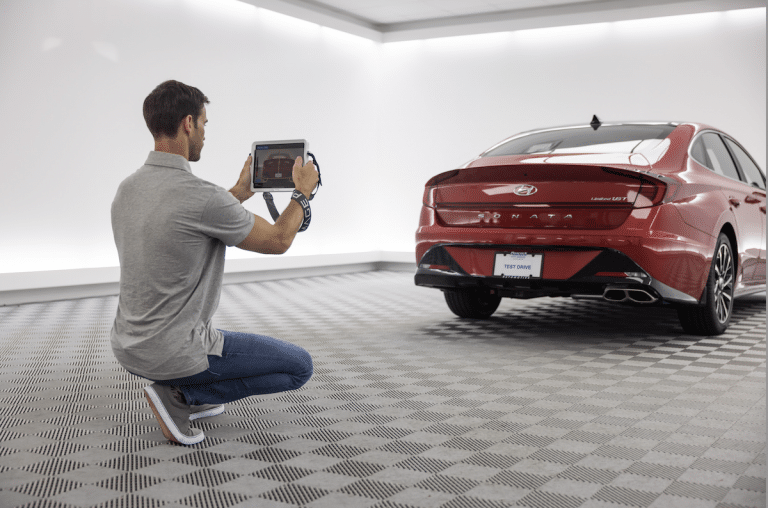
In-house photography requires a repeatable process, including:
- A defined capture order
- Standard angles for every vehicle
- A clear publish workflow
Consistency builds trust with shoppers and speeds up merchandising.
Mistake #4: Not Measuring Photo Performance
Most dealerships track sales performance — but not photo performance.
Without data, it’s impossible to know:
- Which vehicles need reshoots
- Where delays happen
- How visuals impact time-to-sale
How to Fix It
Treat photography like a measurable KPI.
Track:
- Time from arrival to live listing
- Photo completion rates
- Reshoot frequency
This turns photography from a guessing game into a controllable system.

Mistake #5: Expecting In-House Teams to Do Everything
In-house teams are often asked to:
- Shoot photos
- Capture video
- Edit images
- Manage uploads
- Fix inconsistencies
That’s not sustainable — and it leads to burnout and bottlenecks.
How to Fix It
The best-performing dealerships combine:
- In-house capture
- Automated tools
- Professional editing and quality control
This keeps teams focused on speed and consistency without overwhelming them.
How Dealer Image Pro Helps Dealerships Fix In-House Photography
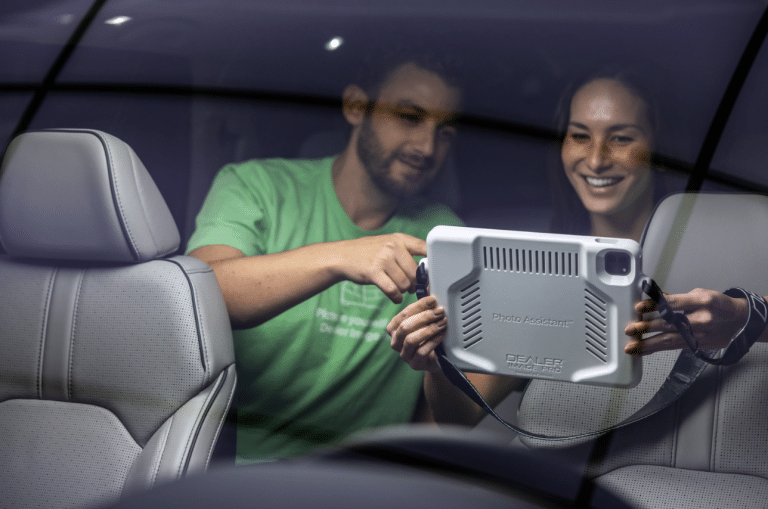
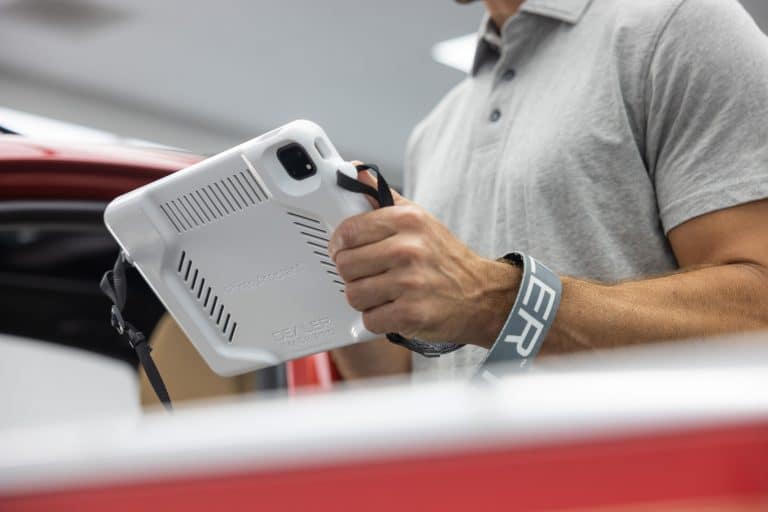
Dealer Image Pro is built to support in-house teams — not replace them.
Dealerships use Dealer Image Pro to:
- Train staff with clear wireframe guidelines
- Capture consistent photos every time
- Reduce reshoots with quality control
- Publish inventory faster
- Maintain consistency across rooftops
The result? In-house teams that actually work without chaos.
Final Takeaway
Building an in-house photography team isn’t about hiring more people or buying better equipment.
It’s about:
- Training
- Consistency
- Process
- Support
When those pieces are in place, in-house photography becomes a competitive advantage — not a headache.
Want to see how your in-house photography process stacks up?