On this page:



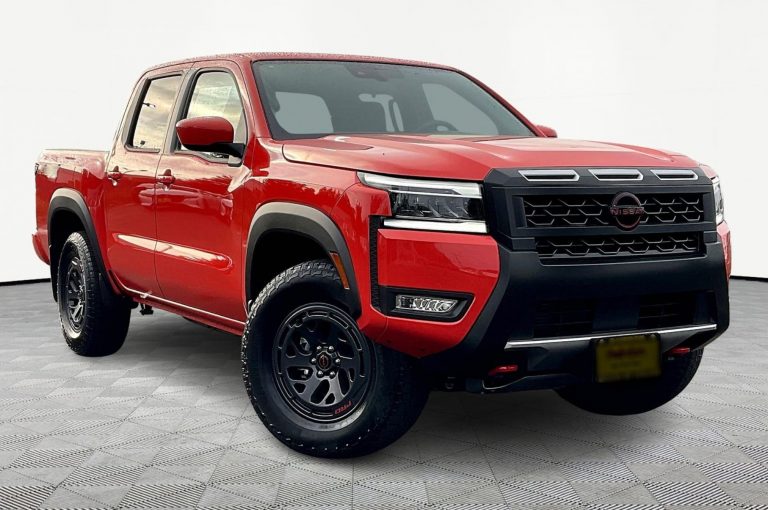
Most dealerships do not struggle with selling cars. They struggle with getting inventory online fast enough and presenting it well enough to earn shopper trust. Inventory photos are often treated as a task to complete, not a performance driver. But in today’s market, photos are the first salesperson a shopper meets. When they fall short, everything downstream suffers. Poor inventory photos cost dealerships more than most realize. Not just in aesthetics, but in time, money, and missed opportunity.
Shoppers Decide Before They Click
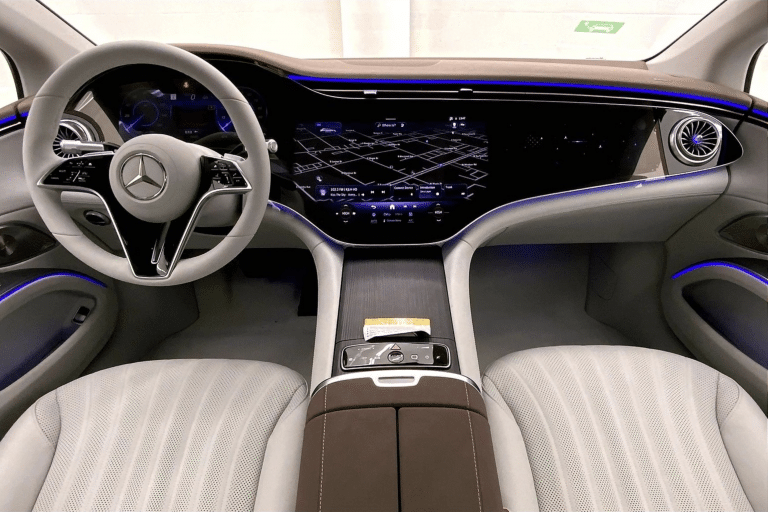
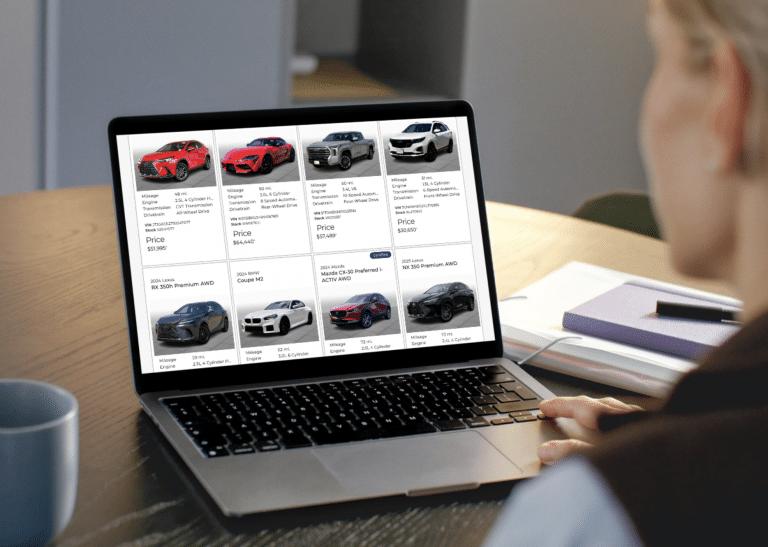
Online car shopping is visual first. Shoppers scroll fast and decide quickly. If photos are dark, inconsistent, poorly framed, or incomplete, listings get skipped.
This is not about artistic quality. It is about clarity and confidence.
When photos fail to clearly show the vehicle, shoppers hesitate. When they hesitate, engagement drops. When engagement drops, listings lose visibility across search, marketplaces, and paid ads.
That cost is invisible, but it adds up every day.
Slow Photos Mean Slow Sales
One of the biggest pain points dealers face is time to market.
When inventory sits waiting for photos, it is effectively invisible. Every day a vehicle is not online is a day it cannot generate interest, leads, or momentum.
Dealerships relying on third-party photography vendors often experience delays due to scheduling, weather, staffing, or volume spikes. Those delays compound across dozens or hundreds of vehicles.
The result is simple. Longer time to market leads to longer days to sale.
Inconsistent Photos Break Buyer Trust
Consistency matters more than most dealers think.
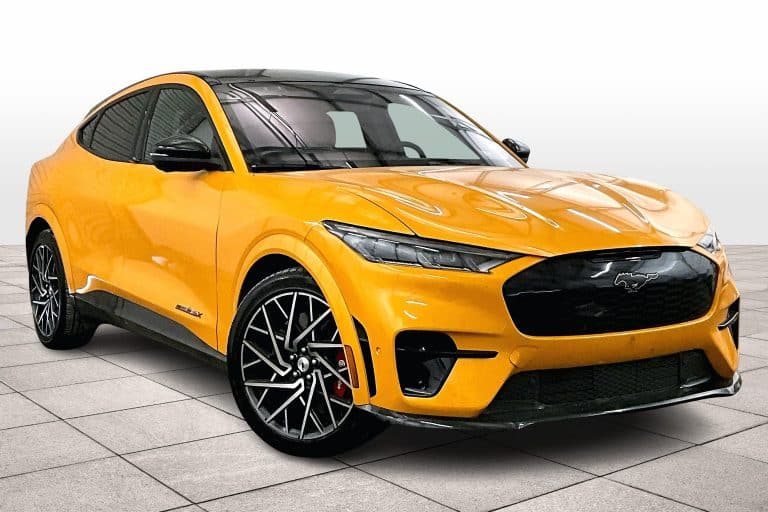
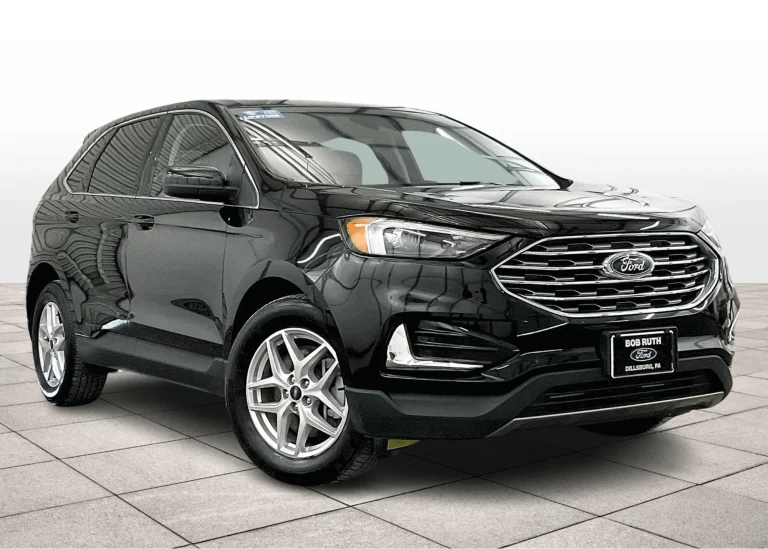
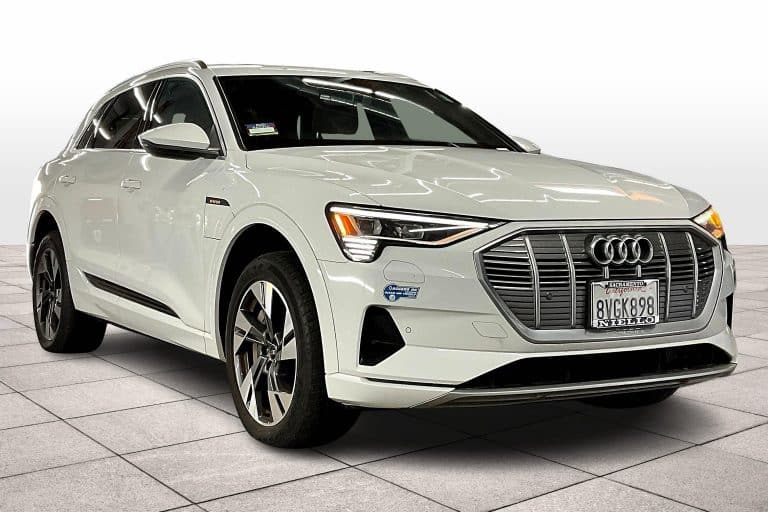
When inventory photos vary by angle, lighting, background, or quality, listings feel unprofessional. Shoppers may not consciously identify the issue, but they feel it.
Inconsistent photos create doubt. Doubt slows decisions.
This is especially damaging for dealer groups where inventory spans multiple rooftops. A lack of visual standards weakens brand identity and makes the buying experience feel fragmented.
Consistency builds confidence. Confidence drives action.
Poor Photos Increase Advertising Costs
When inventory photos fail to capture attention, dealers pay more to make up for it.
Low engagement leads to higher cost per click. Higher cost per click leads to increased ad spend for the same results. Over time, this erodes marketing efficiency.
High quality photos improve engagement. Better engagement improves performance across paid and organic channels. That efficiency lowers acquisition costs and increases return on ad spend.
Photography is not a creative expense. It is a marketing performance tool.
The Hidden Cost of Rework and Retraining
Many dealerships struggle with internal photography because the process depends on individual skill rather than a system.
When a trained photographer leaves, quality drops. When a new hire starts, consistency disappears. Managers spend time correcting mistakes instead of moving inventory.
Without clear standards, training, and quality control, photo performance fluctuates. That instability costs time and focus.
Dealerships do not need better cameras. They need better systems.
Why Process Matters More Than Equipment
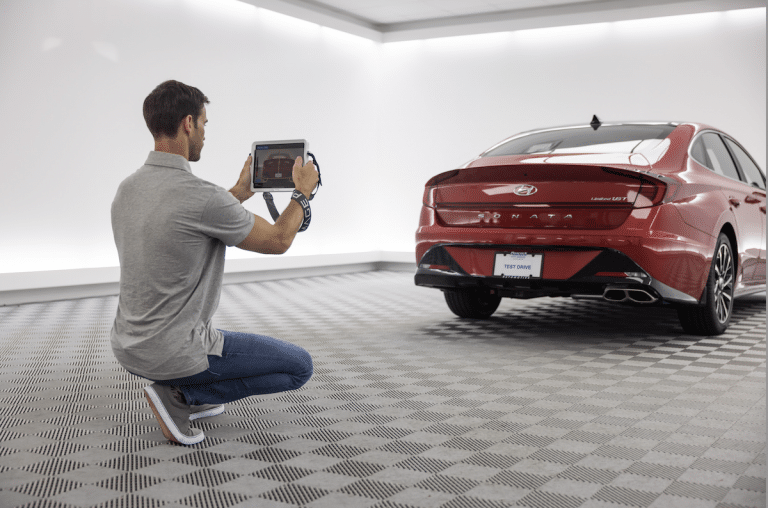
The dealerships that win with inventory photography focus on process.
They standardize angles, lighting, and sequencing.
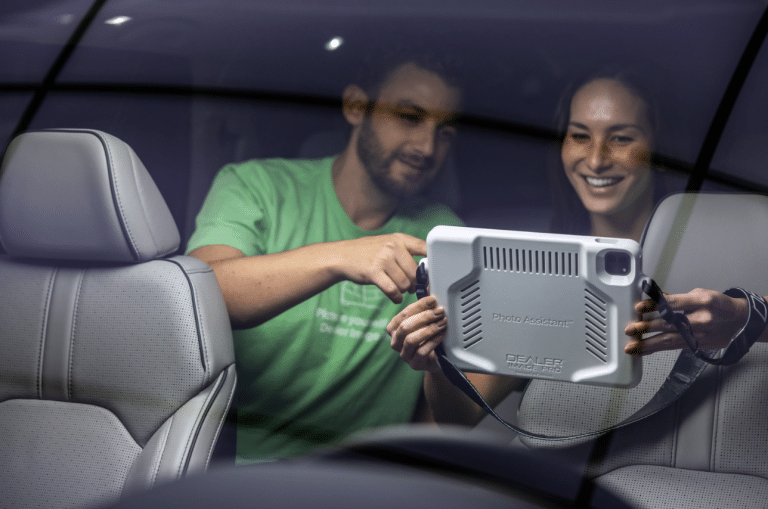
They train staff with clear expectations.
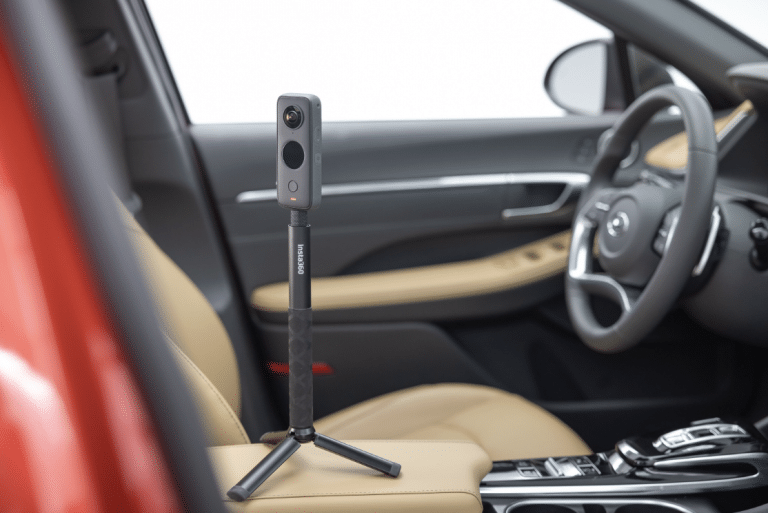
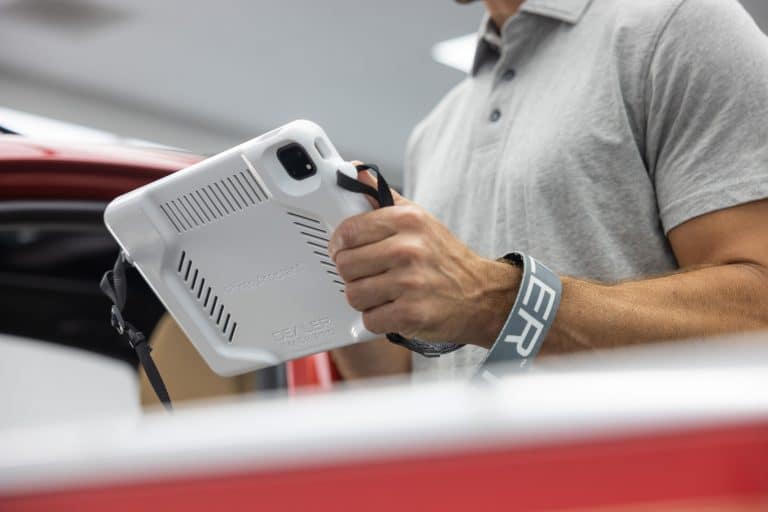
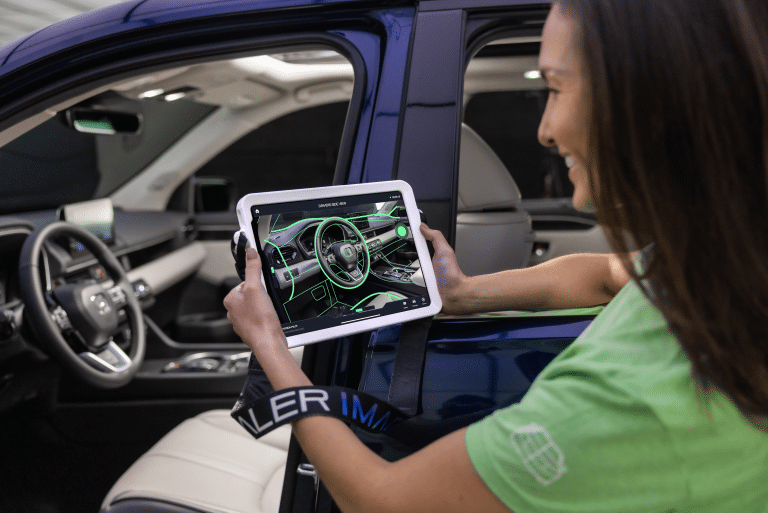
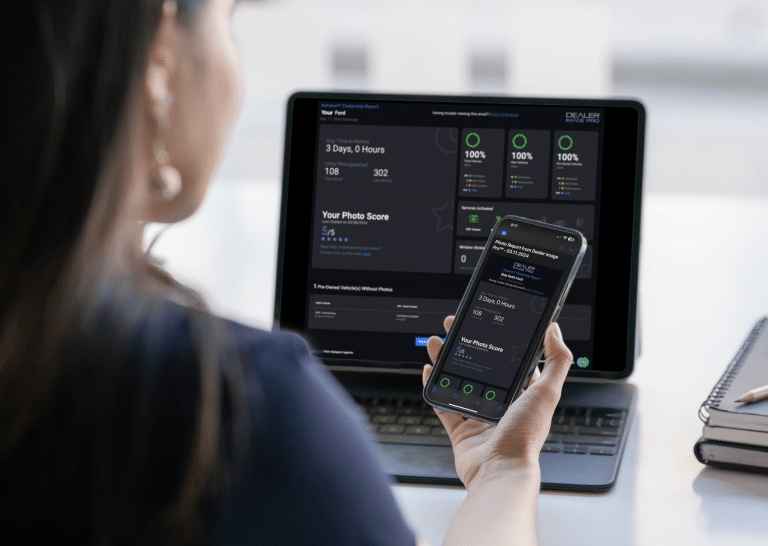
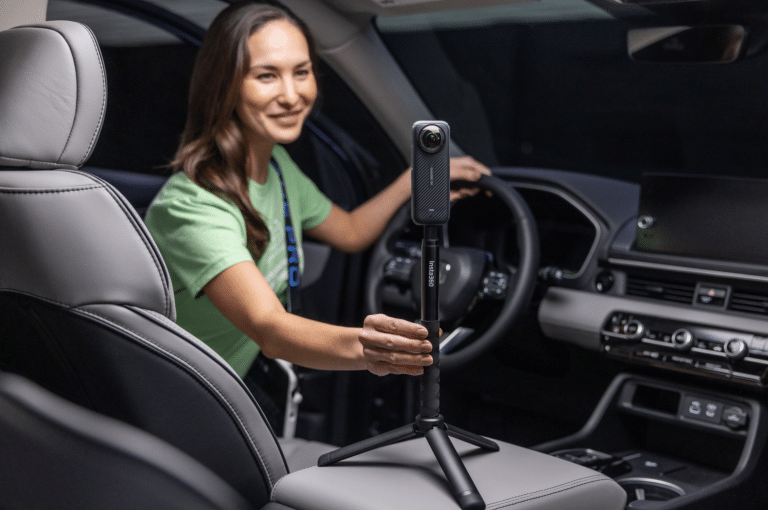
They use technology to automate editing and enforce consistency.
They build quality control into the workflow.
This approach turns photography into a repeatable operation, not a creative gamble.
When the process is right, results follow. Faster time to market. Stronger engagement. Better conversion.
Turning a Pain Point Into a Competitive Advantage
Inventory photos should work as hard as the rest of your sales and marketing operation.
Dealers who take control of their imaging process gain speed, consistency, and confidence. They reduce delays, lower costs, and present inventory the way shoppers expect.
The difference is not subtle. It shows up in engagement, lead volume, and inventory turn.
Great photos do not just make listings look better. They make dealerships perform better.
See how consistent inventory photos improve trust, engagement, and sales performance.
FAQs
What does time to market mean in automotive retail?
Time to market refers to how long it takes for a vehicle to be fully merchandised and listed online after arriving at the dealership.
Why is time to market important for dealerships?
Faster time to market increases visibility, engagement, and sales velocity. Delays reduce momentum and extend days to sale.
How does photography affect time to market?
Photography is often the bottleneck. Delayed or inconsistent photos prevent inventory from going live and performing.
Is in-house photography faster than using a vendor?
In many cases, yes. In-house photography gives dealerships control over timing, volume, and priorities.
How can dealerships improve time to market?
By standardizing photography processes, training staff, and using technology to automate editing and quality control.