On this page:



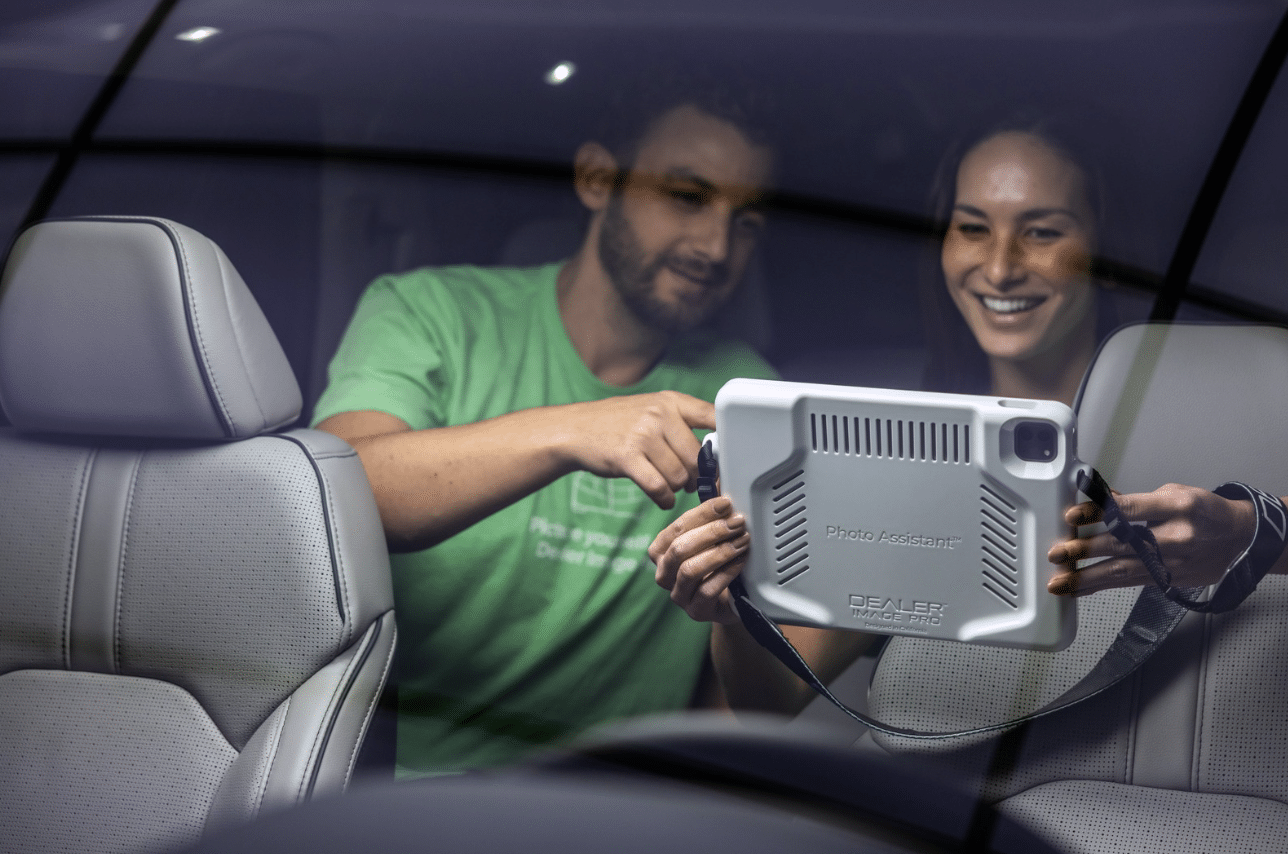
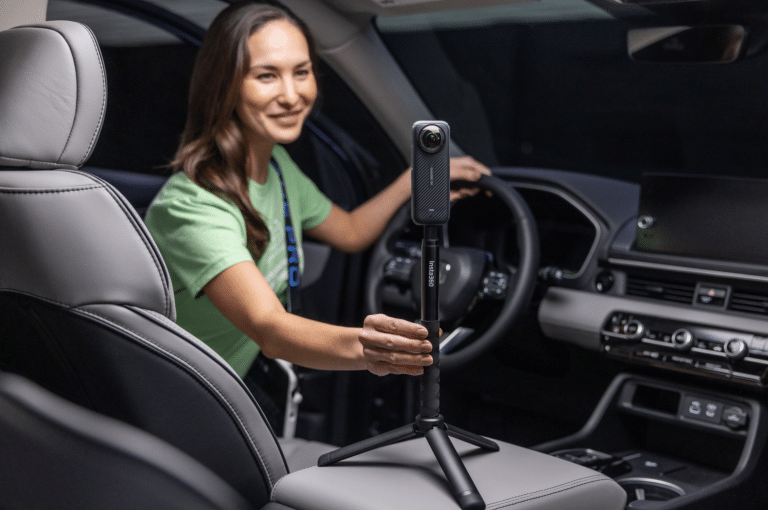
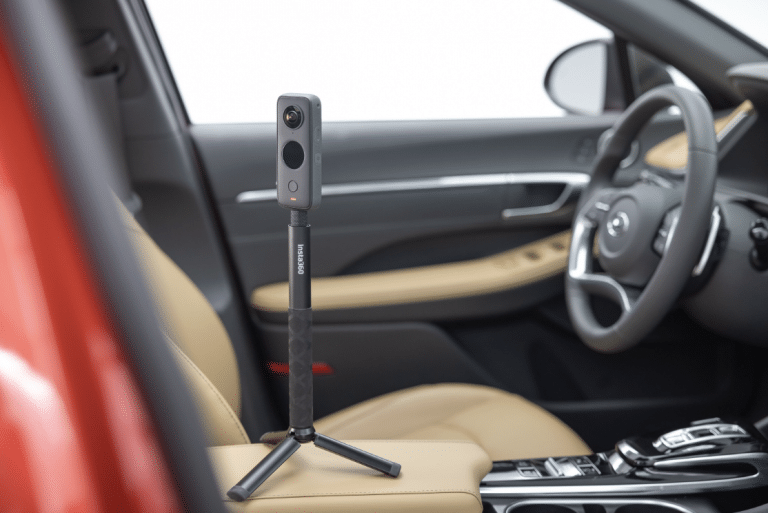
Many dealerships assume better inventory photos start with better cameras. When results fall short, the instinct is to upgrade equipment, buy new lenses, or invest in more expensive gear. In reality, equipment is rarely the problem. The biggest difference between inconsistent photos and high-performing inventory is training. Without it, even the best camera produces unreliable results. With it, average equipment can deliver consistent, professional listings every day.
Equipment Does Not Create Consistency
Cameras capture what they are told to capture. They do not decide angles, framing, lighting, or sequencing. People do. When photographers are not trained to follow a standard process, results vary from vehicle to vehicle and from day to day. That inconsistency shows up online immediately. Listings feel uneven. Trust weakens. Engagement drops. Upgrading equipment does nothing to solve this problem. It only raises expectations without improving execution.
Training Builds Repeatable Results
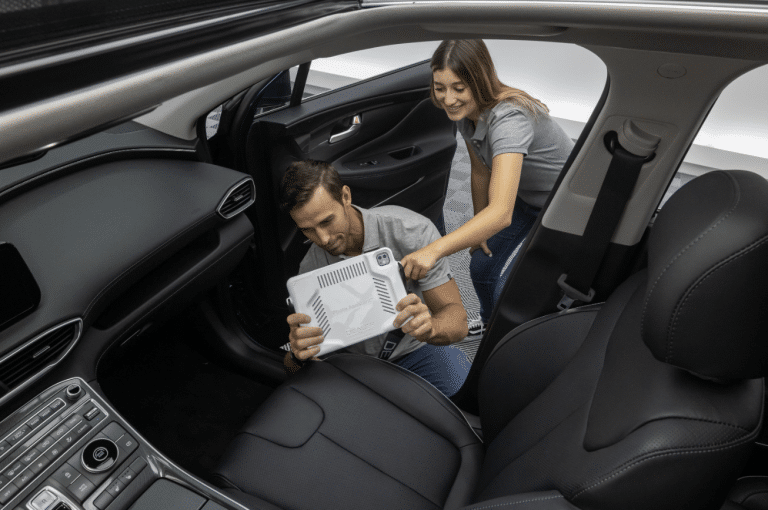
Training creates clarity. When photographers know exactly where to stand, what angles to capture, how to frame each shot, and how to sequence photos, results stabilize. Every vehicle looks intentional. Every listing feels complete. This repeatability is what dealerships need most. Not standout photos once in a while, but reliable quality at scale.
Turnover Makes Training Even More Critical
Staff turnover is a reality in automotive retail. When photography depends on one skilled individual, quality drops the moment that person leaves. Training protects against that risk. A well-documented process allows new team members to step in quickly. Standards stay intact. Inventory presentation does not suffer during transitions. Without training, dealerships are constantly rebuilding instead of improving.
Process Outperforms Talent
Talented photographers can still produce poor results in an unclear system. Clear systems allow average performers to succeed. Training shifts photography from an art form to an operational function. That shift is what allows dealerships to scale, maintain consistency, and improve speed without sacrificing quality. The goal is not to create photographers. The goal is to create a process anyone can follow.

Technology Works Best With Training
Modern imaging technology can automate editing, background cleanup, and quality checks. But technology only works as well as the inputs it receives. Training ensures those inputs are consistent. When photographers understand the standards, technology amplifies results instead of masking mistakes. The combination of training and automation creates reliability, not guesswork.
Why Dealers See Better ROI From Training
Dealerships that invest in training see improvements across the board. Time to market improves because photos are done right the first time. Rework decreases because standards are clear. Marketing performs better because listings feel trustworthy and complete. Training turns photography into a predictable business function instead of a recurring problem.
The Real Investment Is Not the Camera
Cameras age. Processes improve. Dealerships that focus on training build a foundation that lasts longer than any piece of equipment. They gain control, consistency, and confidence in how inventory is presented online. That is what drives results.
How Dealer Image Pro Solves Dealership Photography Training Challenges
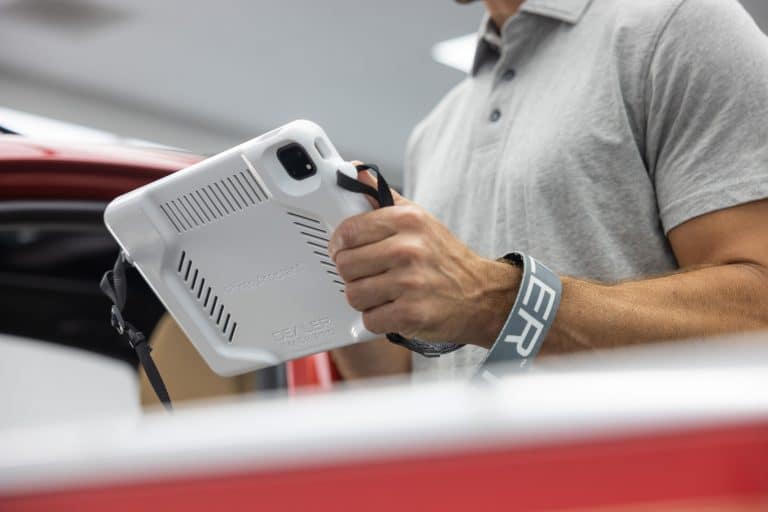
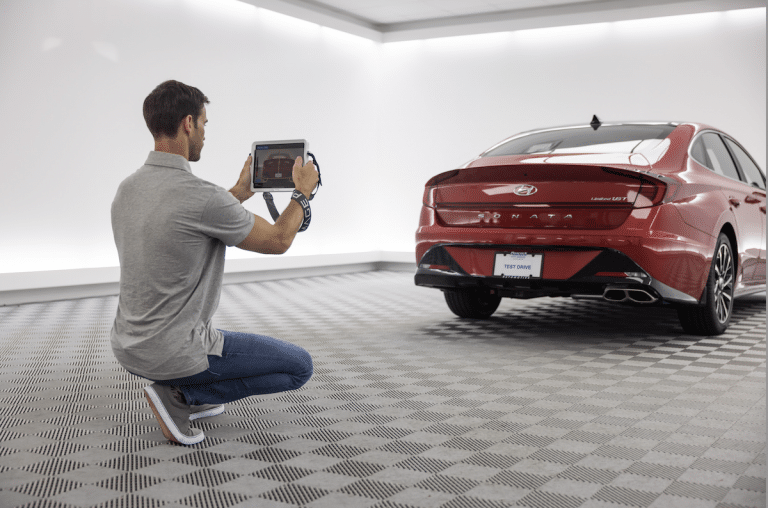
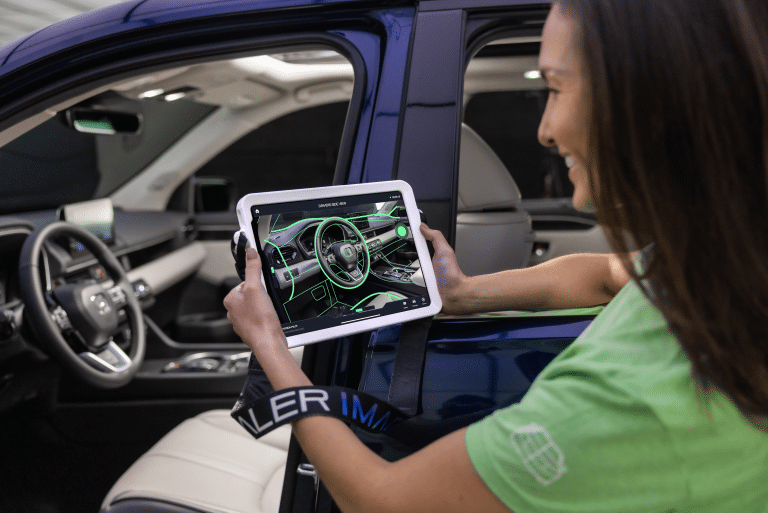
Training often fails because it is treated as a one-time event. Dealer Image Pro approaches training as an ongoing partnership. Dealerships receive free lifetime training for the entire length of the partnership. There is no limit to how many team members can be trained, which means new hires, role changes, and growth never disrupt standards. Training evolves as teams evolve. To reinforce that training, Dealer Image Pro provides daily quality control. Every photo set is reviewed to ensure it meets established standards. This keeps photographers on track, catches issues early, and prevents small mistakes from becoming habits. Quality stays consistent without managers needing to police every listing. Wireframes add another layer of reliability. They guide photographers through each shot, reinforcing angles, framing, and sequencing even after formal training ends. This structure removes guesswork and ensures consistency across vehicles, locations, and team members. Together, lifetime training, daily quality control, and guided wireframes turn photography into a repeatable process. Dealerships gain consistency, protect performance through turnover, and keep inventory presentation aligned with their brand every day.
Curious what this could mean for your dealership?
Use our ROI Calculator to see how improving training, consistency, and workflow can reduce costs and help your inventory sell faster.
FAQs
Does camera quality matter at all for inventory photos?
Camera quality matters, but only after training and standards are in place. Process has a much greater impact on results.
Can trained staff produce good photos with basic equipment?
Yes. Well-trained staff can produce consistent, professional photos using standard dealership equipment.
Why does training reduce photo rework?
Training sets clear expectations upfront, which prevents mistakes that require reshoots or edits later.
How often should dealerships train photography staff?
Training should be ongoing, especially when standards change or new staff are added.