On this page:



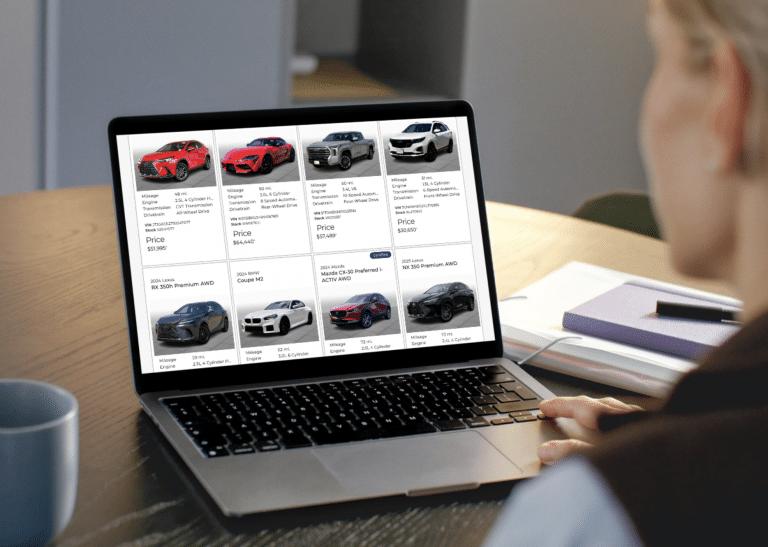
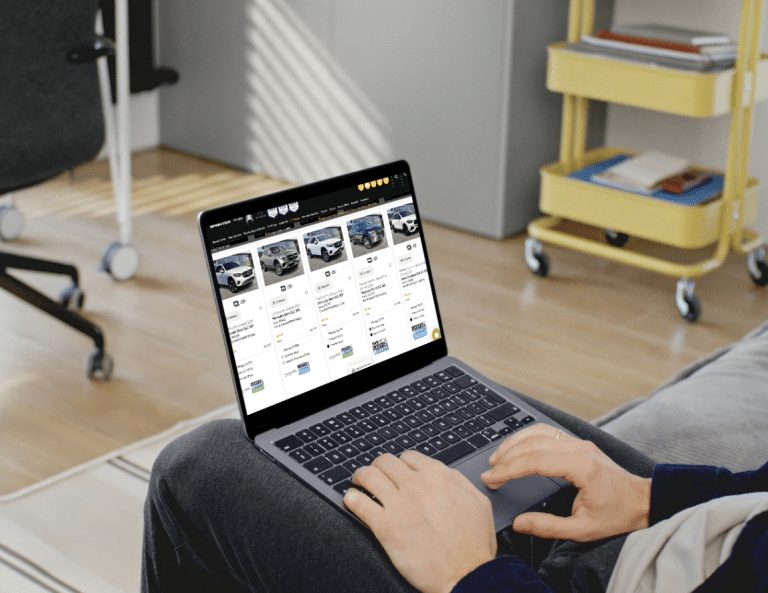
For most shoppers, your Vehicle Detail Page is the first real look they get at a vehicle.
Before they read the description, compare financing options, or submit a lead form, they scan the photos. In a few seconds, those images help them decide whether the vehicle feels worth their time. That makes inventory photography more than a merchandising task. It directly affects buyer confidence, shopper engagement, and the overall performance of your VDPs. When photos are inconsistent, incomplete, or low quality, even strong inventory can lose attention online. Here are some of the most common vehicle photography mistakes dealerships make and how to avoid them.
1. Inconsistent Photos Across Inventory
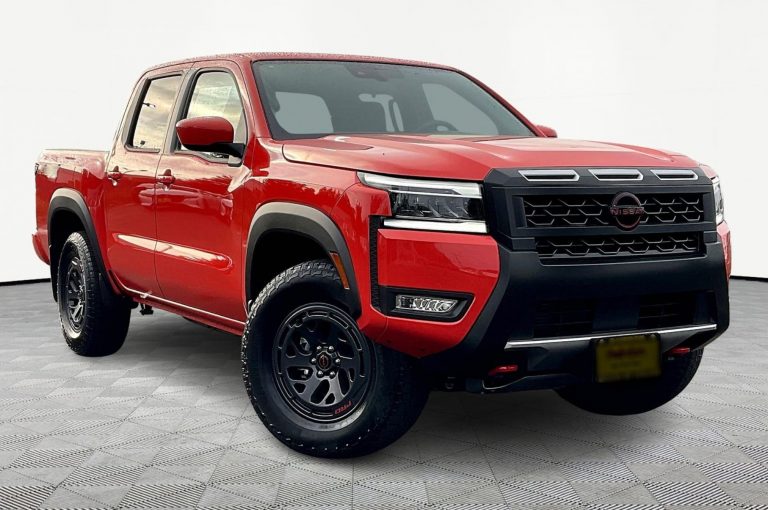
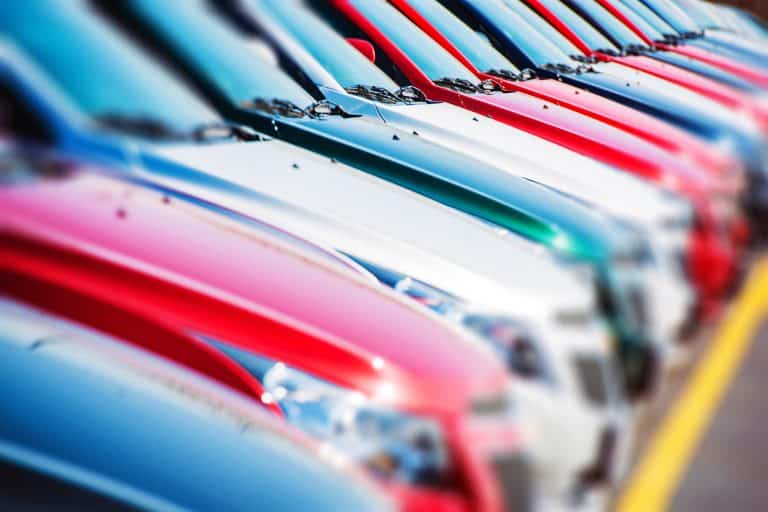
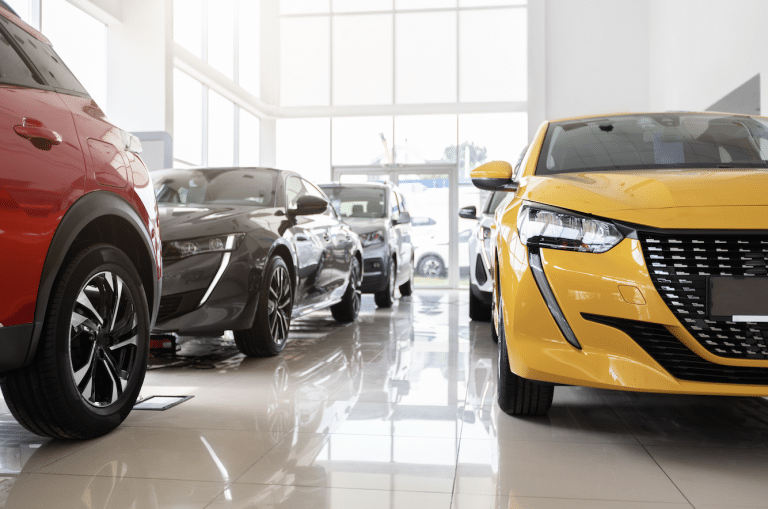
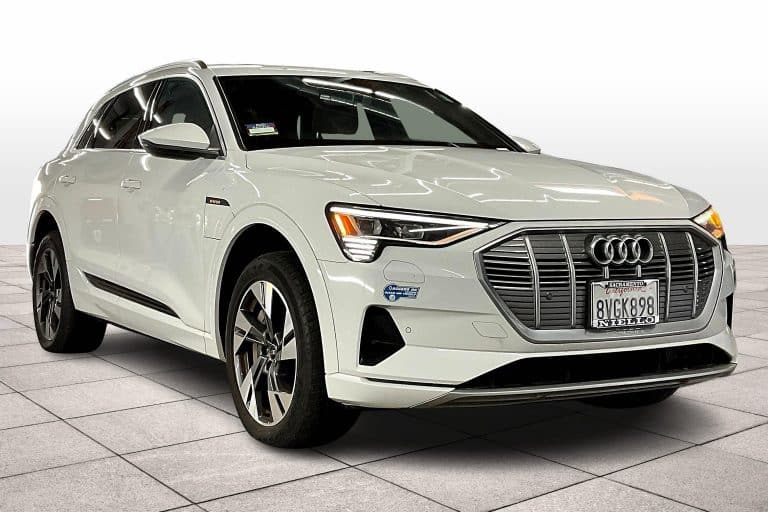
One of the biggest vehicle photography mistakes is inconsistency. If some vehicles are photographed outside, others inside, some at different angles, and others in changing light, the inventory page starts to feel uneven. Shoppers may not consciously notice every detail, but they do notice when the experience feels less professional. Consistent photography makes inventory easier to browse and easier to compare. It also helps build trust because every listing feels like part of the same reliable dealership experience. When a dealership uses a repeatable photo process, every vehicle has a better chance to make a strong first impression.
2. Poor Lighting
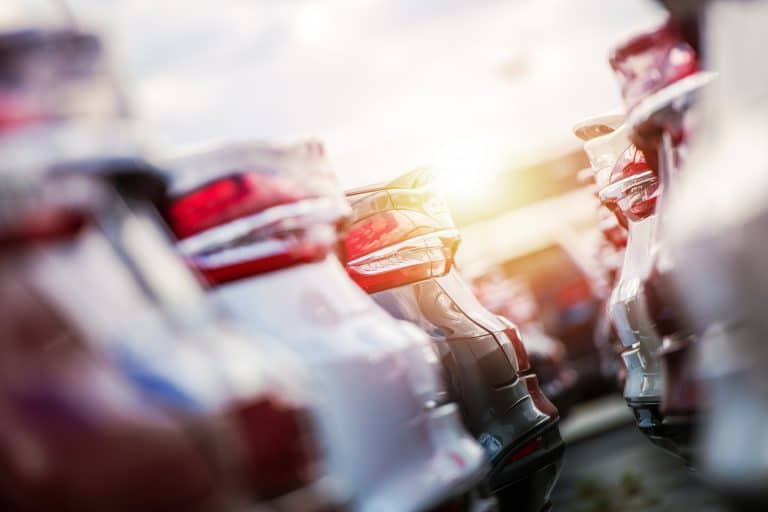
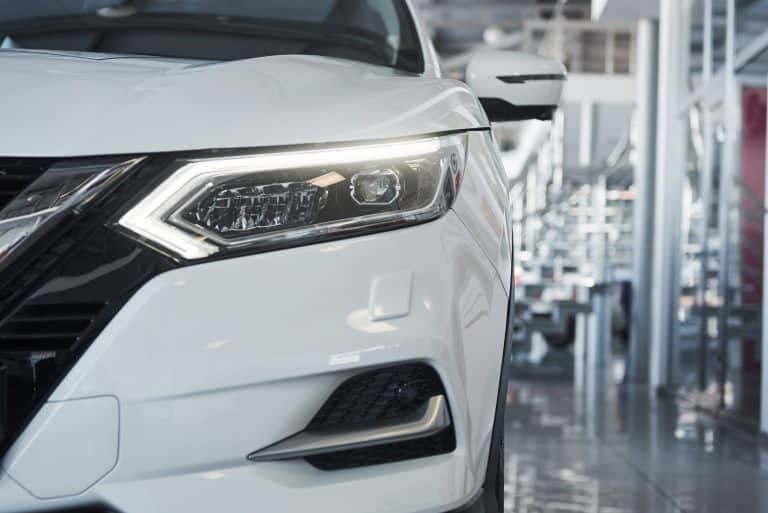
Lighting has a major impact on how a vehicle appears online. Harsh sunlight can create glare. Shadows can hide body lines and interior details. Cloudy conditions can make photos look flat. Inconsistent exposure can even make the same vehicle look different from one angle to the next. For shoppers, unclear photos create friction. If they cannot see the vehicle well, they may not stay on the page long enough to take the next step. Good lighting gives buyers a clearer, more accurate view of the vehicle. It also helps the listing feel more professional, which can make shoppers more confident in both the vehicle and the dealership.
3. Missing Key Angles
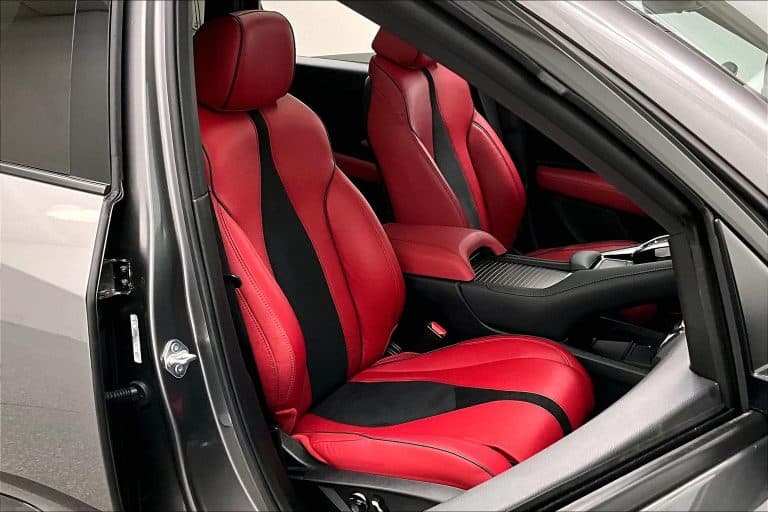
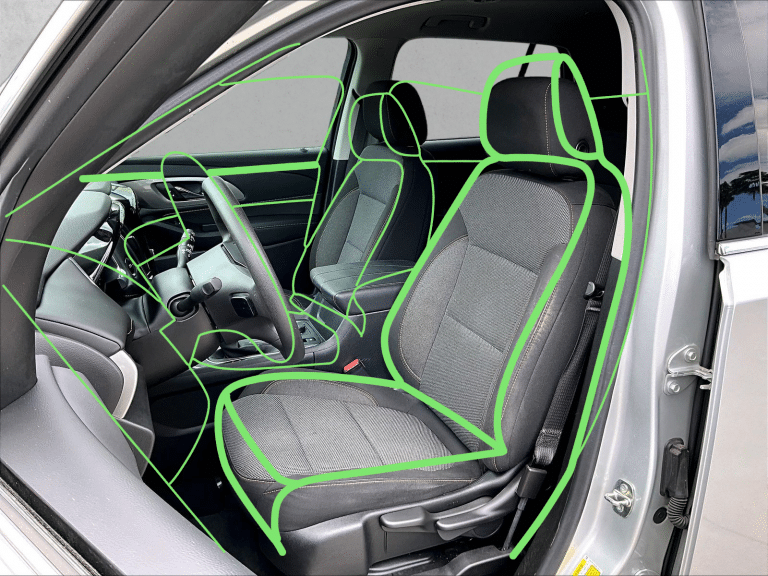
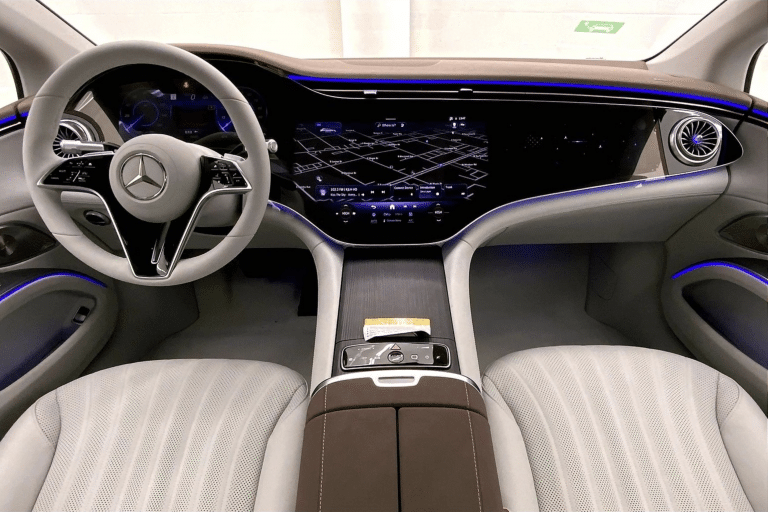
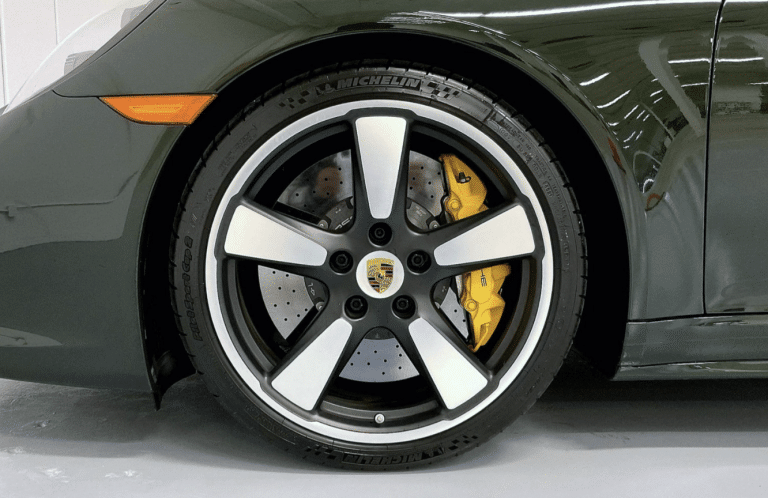
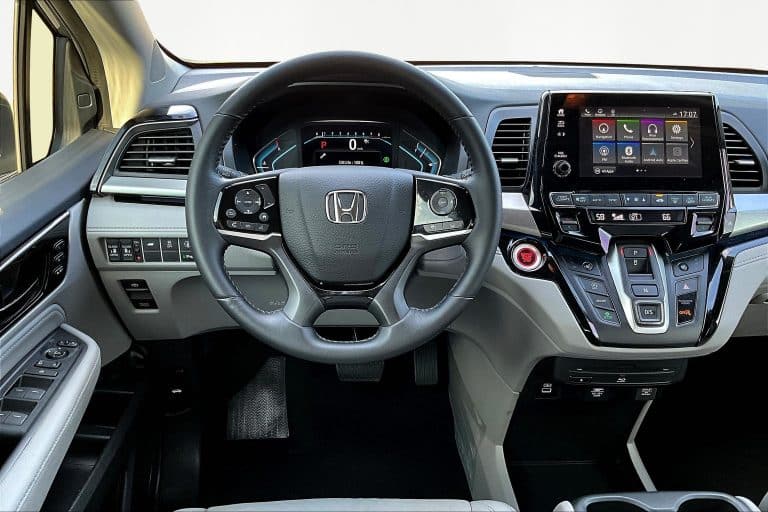
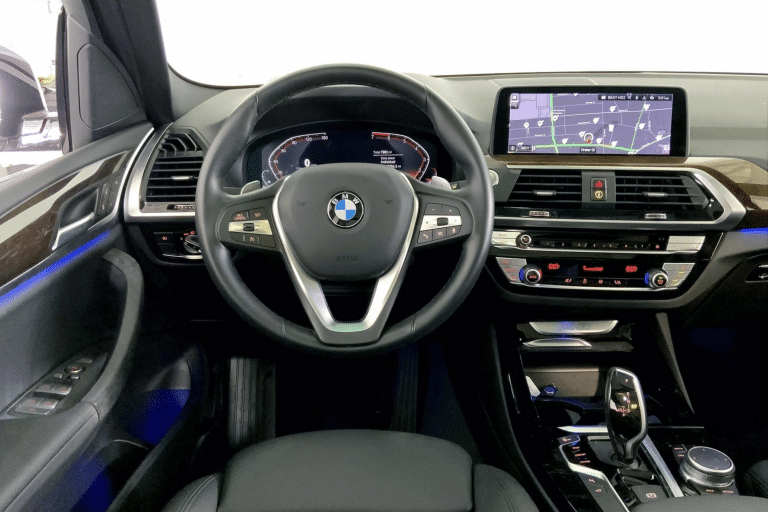
Shoppers expect to see the full vehicle online. That means more than one front photo and a few quick interior shots. They want to understand the exterior condition, cabin layout, cargo space, wheels, technology, controls, seating, and key features. When important angles are missing, shoppers are left with questions. And when too many questions remain, they may move on to another listing that gives them a more complete view. A strong photo set helps buyers feel informed before they contact the dealership. It creates a more transparent shopping experience and gives the VDP a better chance to hold attention.
4. Distracting Backgrounds
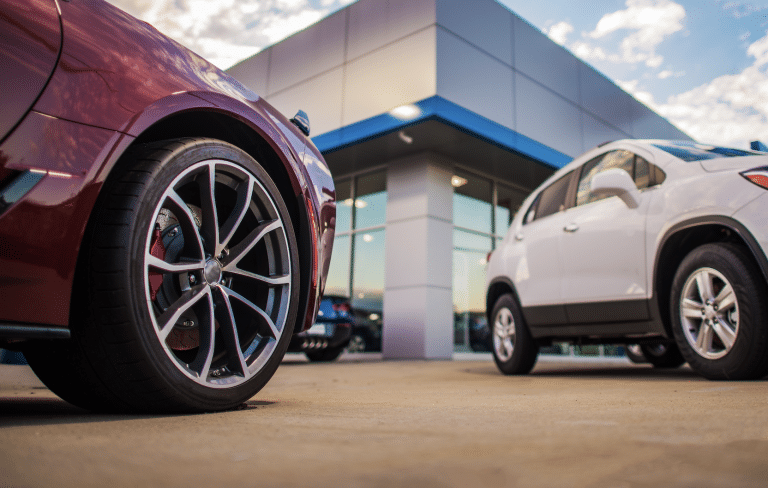
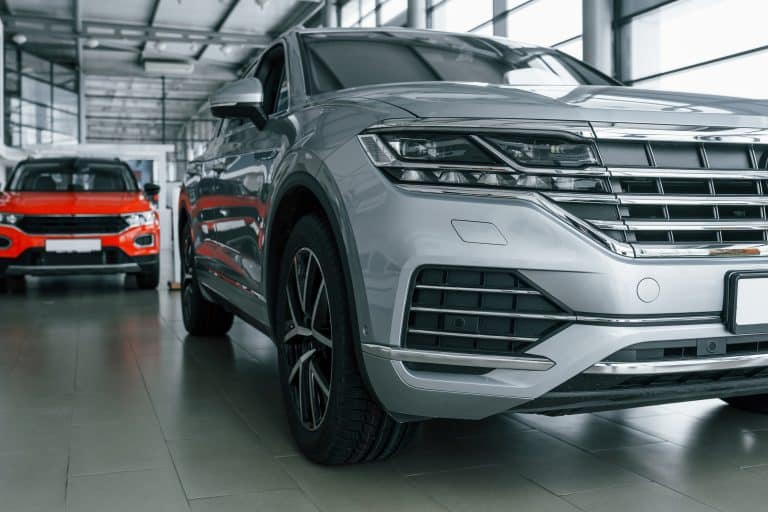
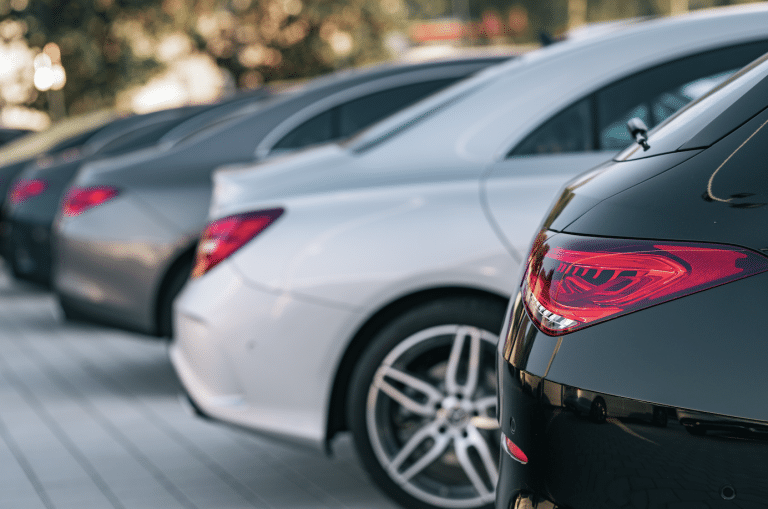
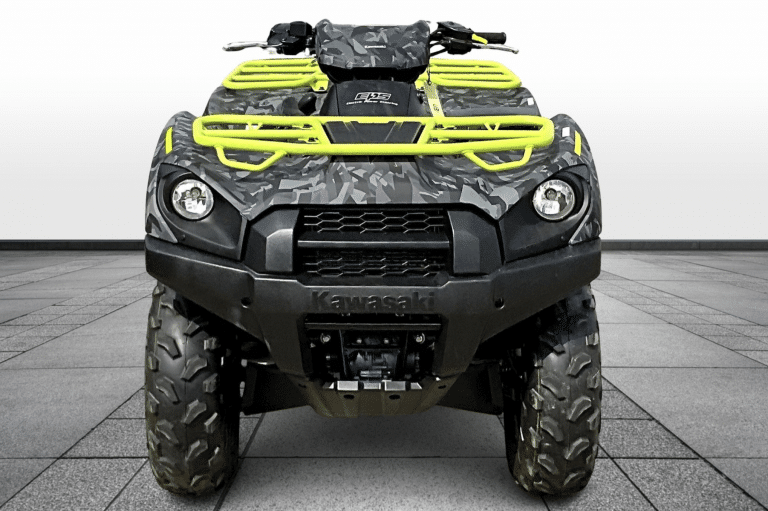
The vehicle should always be the focus. Busy parking lots, service bays, open doors, employees in the frame, traffic, clutter, or other vehicles too close in the background can pull attention away from the inventory itself. Even if the vehicle is in great condition, a distracting setting can make the listing feel rushed or less polished. A clean, controlled background helps shoppers focus on the vehicle’s condition, features, and overall appeal. Better backgrounds do not just improve the look of the photos. They also help create a more consistent inventory presentation across the dealership’s website.
5. Low-Quality or Blurry Images
Modern shoppers view inventory on high-resolution phones, tablets, and desktop screens. Low-resolution, blurry, or poorly cropped images stand out quickly. If the photos look rushed, shoppers may assume the dealership’s presentation process is rushed too. That perception can hurt trust before a conversation ever begins. High-quality images make the shopping experience feel more professional. They also help shoppers zoom in, compare details, and feel more confident that they are seeing the vehicle clearly.
6. Delayed Inventory Photography
Speed matters.
When a vehicle is listed online with no photos, stock images, or incomplete visuals, it is not performing at full strength. Shoppers are less likely to engage with a listing they cannot properly evaluate. Every delay between vehicle arrival and completed photography can slow down merchandising and reduce early interest. In a competitive market, that lost time matters. The faster inventory is photographed and published with quality images, the faster it can start generating attention, engagement, and potential leads.
7. No Standard Photo Process
Many dealerships rely on manual habits instead of a defined photography workflow. That can work for a small amount of inventory, but it becomes harder to manage as volume increases. Different photographers, changing weather, rushed schedules, and inconsistent shot lists all lead to uneven results. Without a standard process, quality control becomes difficult. Vehicles may be photographed differently from day to day, and important shots can be missed. A standardized workflow helps dealerships protect quality while keeping inventory moving. It also makes training easier and helps teams produce a more consistent result across every vehicle.
8. Treating Photography as a Low-Priority Task
Vehicle photos are often treated as something to complete after the “real” work is done.
But online shoppers judge inventory presentation immediately. If photos are delayed, inconsistent, or incomplete, the listing may never get the attention it deserves.
Photography is part of the sales process because it shapes the shopper’s first impression. Better photos help better vehicles get noticed, and they give buyers more confidence before they visit the store or submit a lead.
How Better Photography Supports Stronger VDP Performance
When dealerships fix common vehicle photography mistakes, the benefits go beyond appearance. Consistent, professional vehicle photos can help improve shopper engagement, build buyer trust, make inventory easier to compare, strengthen dealership branding, reduce time-to-market, and create a cleaner online shopping experience. A strong VDP photo strategy helps shoppers feel more confident in what they are seeing. It also helps dealerships present inventory in a way that feels organized, professional, and worth the buyer’s time.
How Dealer Image Pro Helps Dealerships Improve Inventory Photography
Most vehicle photography mistakes come back to the same problem: inconsistency.
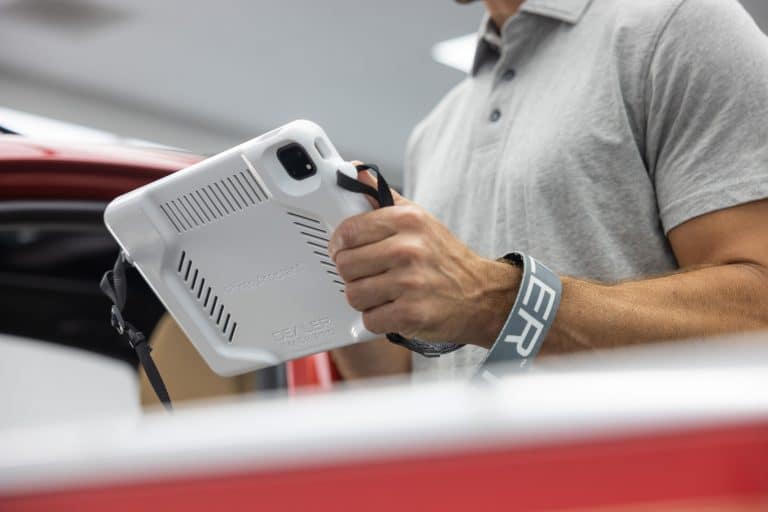
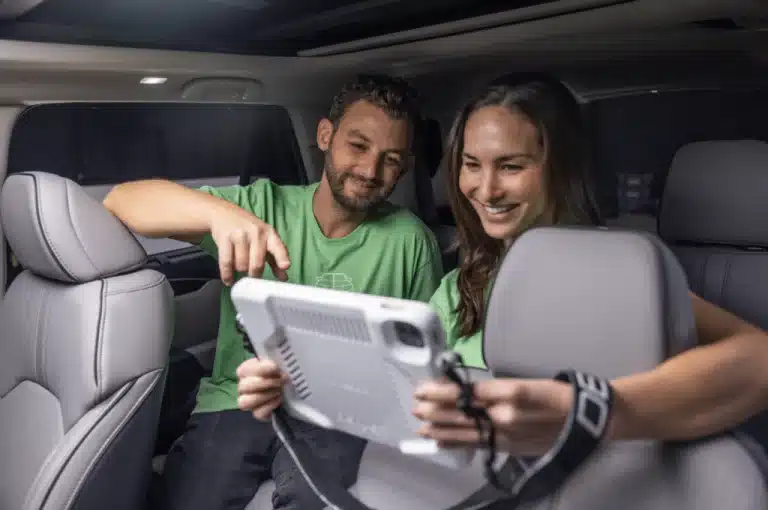
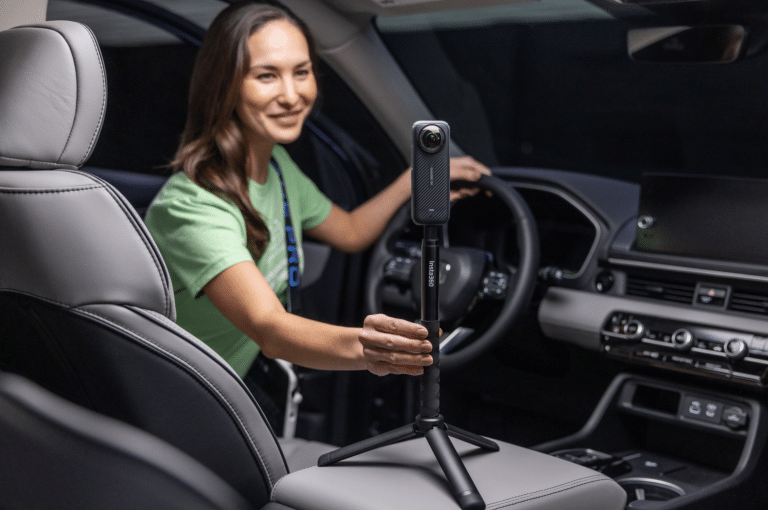
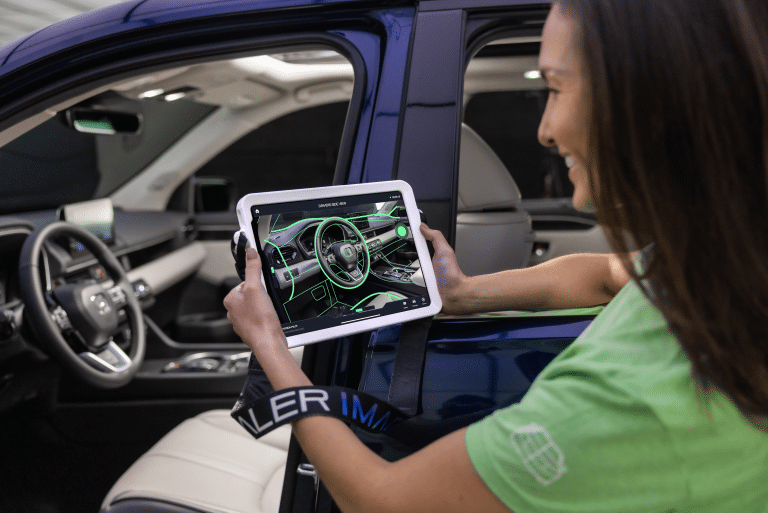
Dealer Image Pro helps dealerships create a faster, more repeatable, and more professional in-house imaging process. Instead of depending on changing conditions, manual habits, or outsourced workflows, dealerships can standardize how inventory is photographed and presented online.
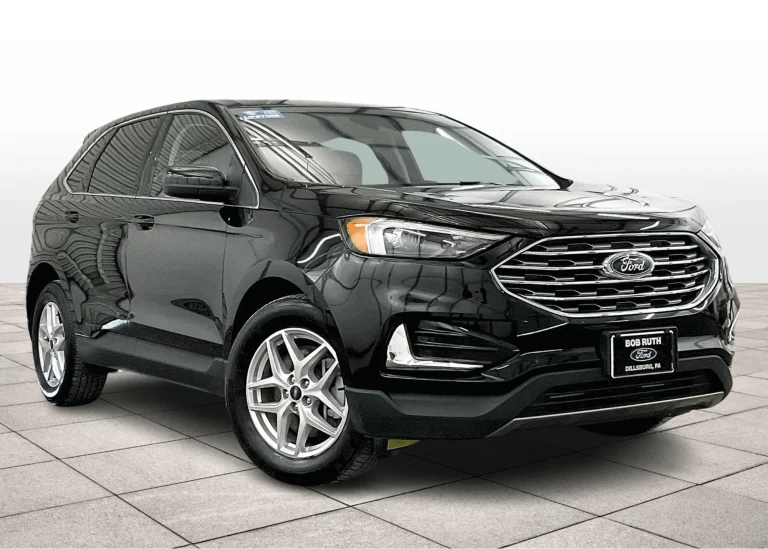
With Dealer Image Pro, dealerships can capture consistent vehicle photos, standardize key angles, reduce distracting backgrounds, improve image quality, and move inventory through the merchandising process faster. That consistency matters. When every vehicle is presented clearly and professionally, shoppers can evaluate inventory with more confidence. The dealership also gains more control over its process, its presentation, and the way its brand appears online.
If your dealership is ready to eliminate common vehicle photography mistakes and improve the way inventory appears online, Dealer Image Pro can help you build a more consistent, efficient, and professional imaging workflow.