On this page:



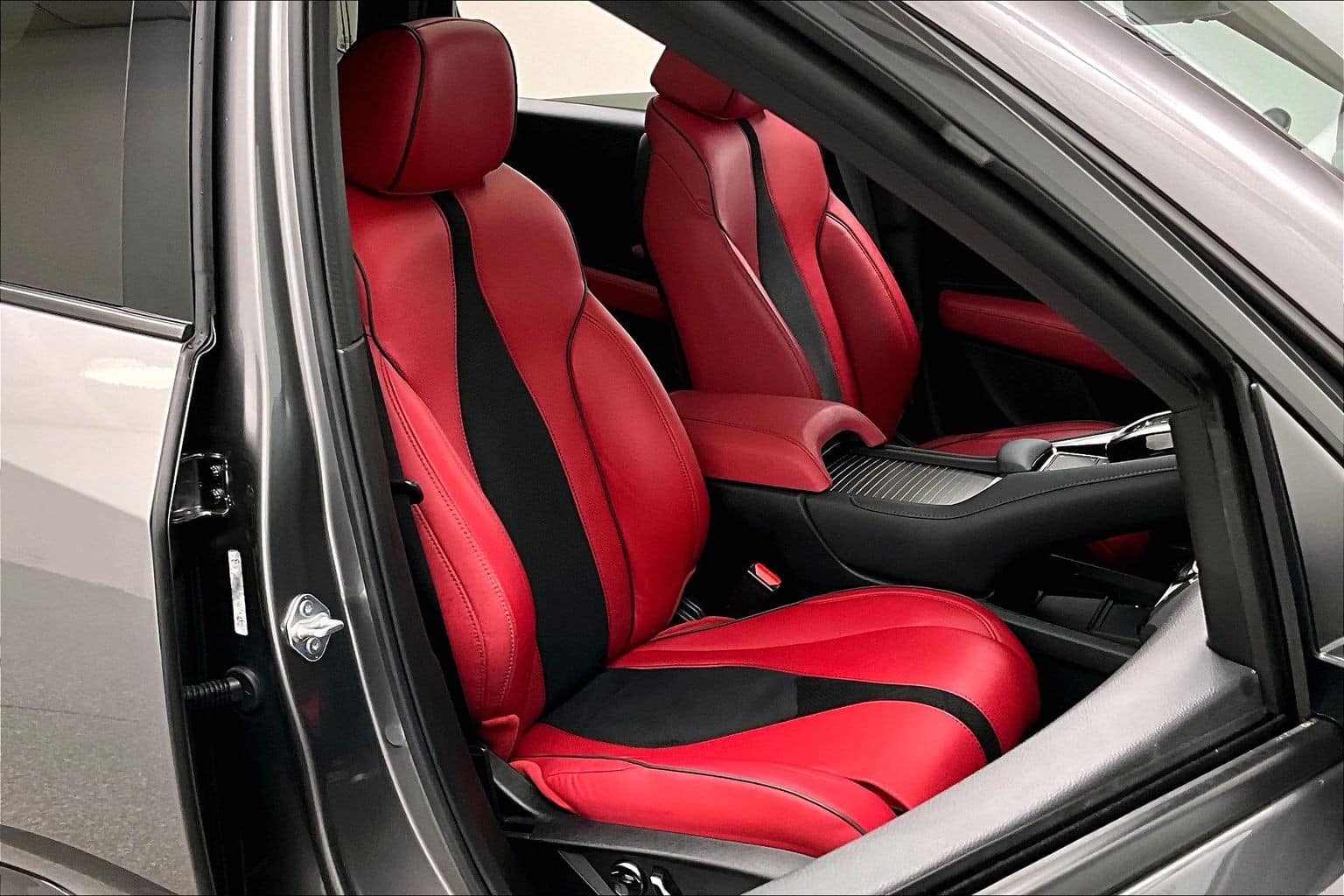
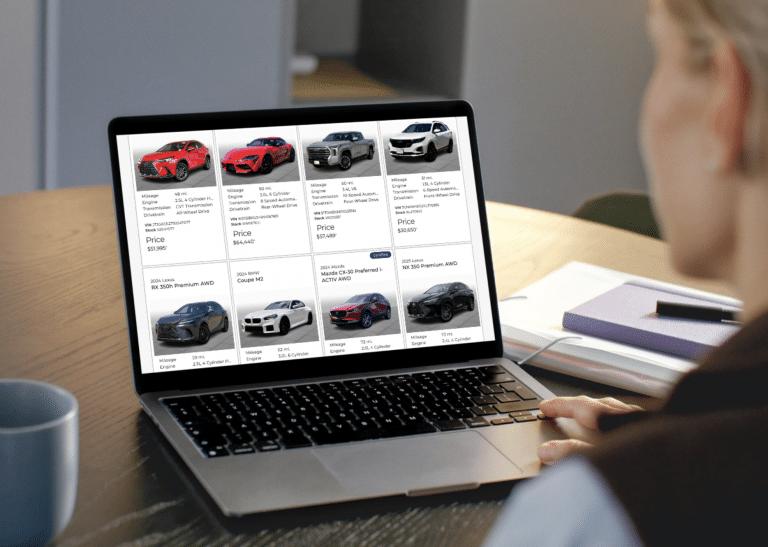
By the middle of the year, most dealerships have a good sense of what is working and what is slowing them down. Sales goals are in motion. Inventory patterns are clearer. Teams have settled into daily routines. But one area often gets overlooked until it becomes a problem: inventory photos. Vehicle photos are not just a marketing detail. They are part of how shoppers judge your dealership before they ever submit a lead, call the store, or walk the lot. If your photos are inconsistent, incomplete, outdated, or slow to publish, your inventory presentation may be working against you.
That makes mid-year a smart time to run an inventory photo audit. A photo audit helps your dealership review how vehicles are being presented online, where standards may be slipping, and what needs to improve before Q3.
Why a Mid-Year Photo Audit Matters
Dealership teams move fast. That is a good thing, but speed can hide small problems. One missing photo set may not feel urgent. A few inconsistent backgrounds may not seem serious. A skipped interior shot may not stop a deal by itself. But across an entire inventory, those small gaps add up. A mid-year audit helps you catch issues before they affect shopper confidence, lead quality, and sales momentum. It also gives your team a clear reset point. Instead of waiting until year-end to review performance, you can tighten the process while there is still plenty of year left to improve results.
1. Check for Missing Photos
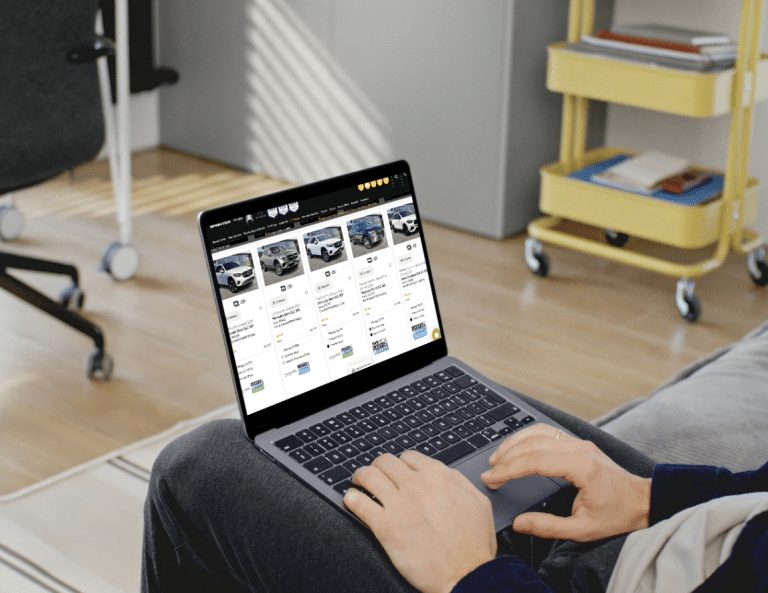
Start with the most obvious issue: vehicles without photos. Every vehicle listed online without real images creates friction for shoppers. It can make the vehicle feel unavailable, unprepared, or less trustworthy than competing listings.
During your audit, look for:
- Vehicles live online with no photos
- Listings using placeholder images
- Vehicles with only one or two images
- Units that have been in inventory for several days without a complete photo set
The goal is simple. If a vehicle is listed, it should be visually ready for shoppers.
2. Review Photo Consistency Across the Lot
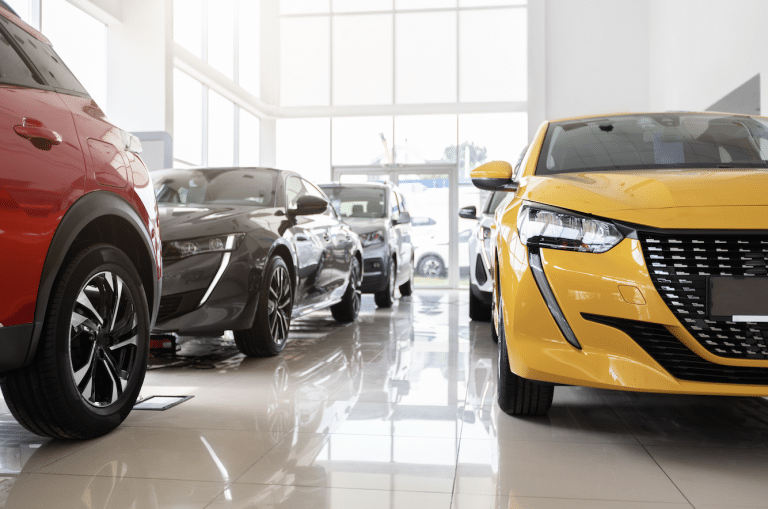
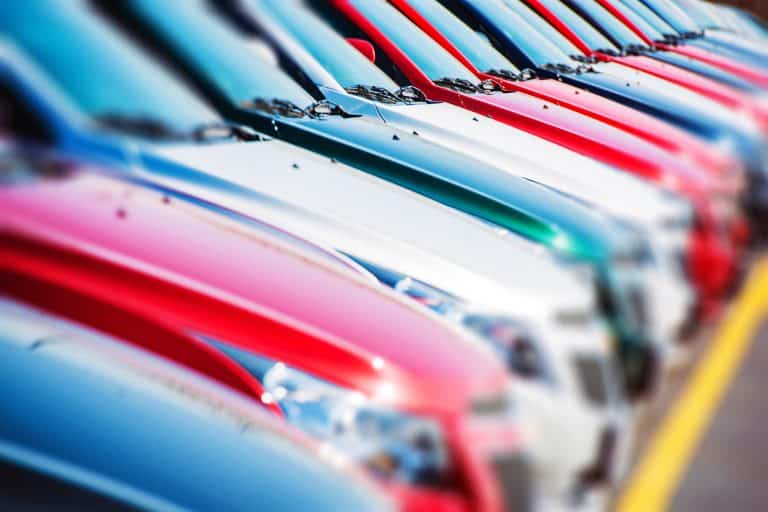
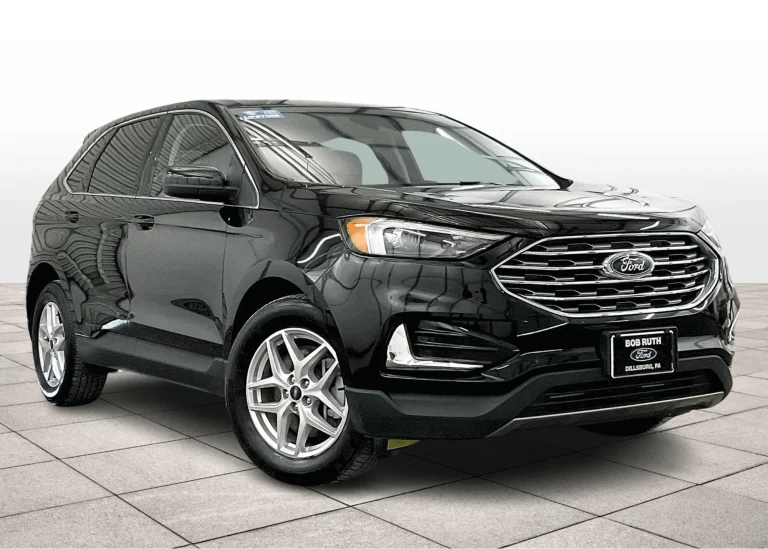
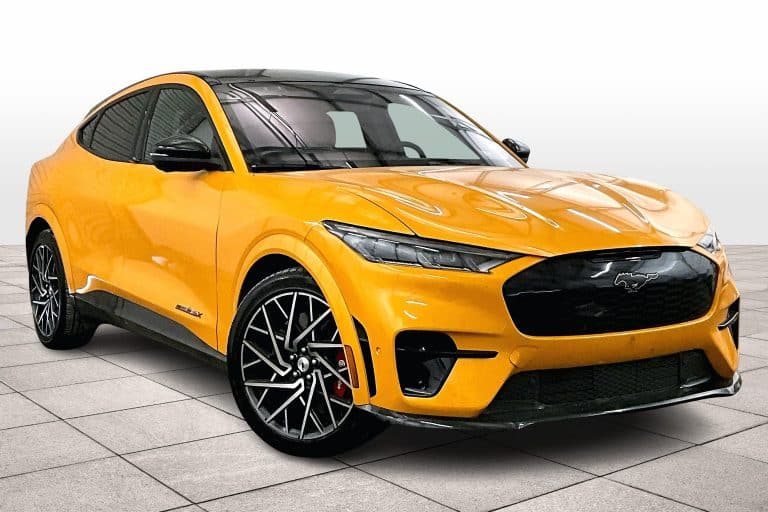
Consistency is one of the strongest signs of a professional dealership presentation. When every vehicle follows the same visual standard, shoppers can compare inventory more easily. The dealership also looks more organized and trustworthy.
Look for differences in:
- Angles
- Framing
- Backgrounds
- Lighting
- Photo order
- Interior coverage
- Detail shots
- Branding elements
If one vehicle looks polished and the next looks rushed, the shopper notices. Consistency helps your inventory feel intentional instead of pieced together.
3. Look at the First Five Photos
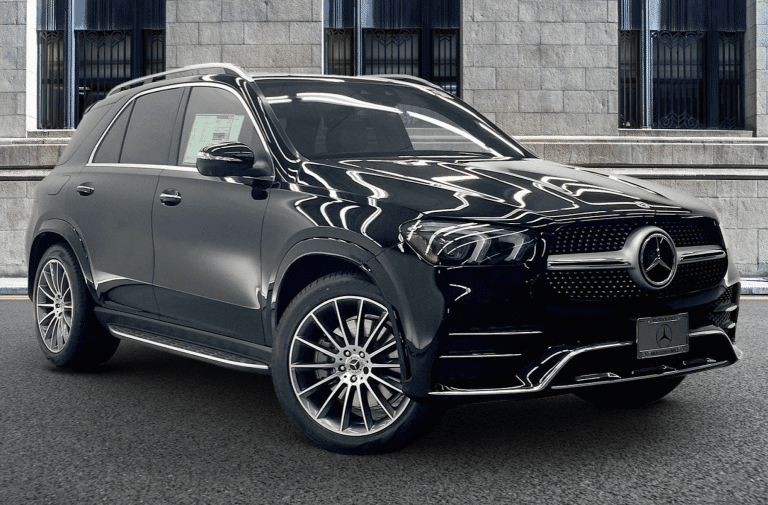
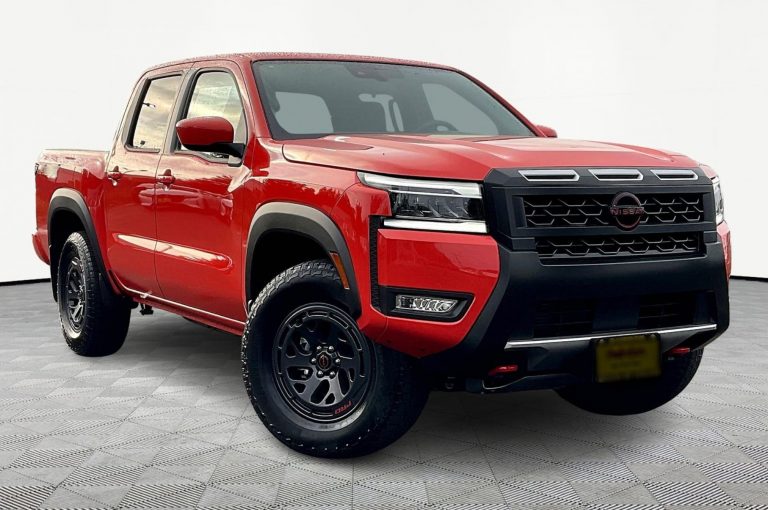
The first few photos carry the most weight. Most shoppers will not study every image before deciding whether to keep clicking. They make quick judgments based on the first impression. That means your first five photos need to work hard.
Ask:
- Does the first image show the vehicle clearly?
- Is the vehicle centered and properly framed?
- Do the next photos follow a logical sequence?
- Are key exterior angles included early?
- Does the photo order feel consistent across inventory?
A strong first impression keeps shoppers engaged. A weak one gives them a reason to move on.
4. Audit Interior Coverage
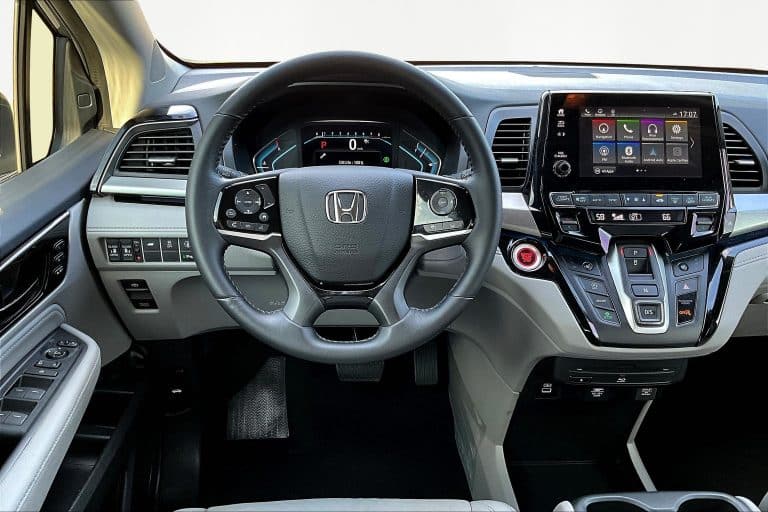
Exterior photos get attention, but interior photos often build trust. Shoppers want to understand the condition, layout, features, and overall feel of the vehicle. If interior coverage is thin or inconsistent, the listing may leave too many questions unanswered.
Review whether your listings include:
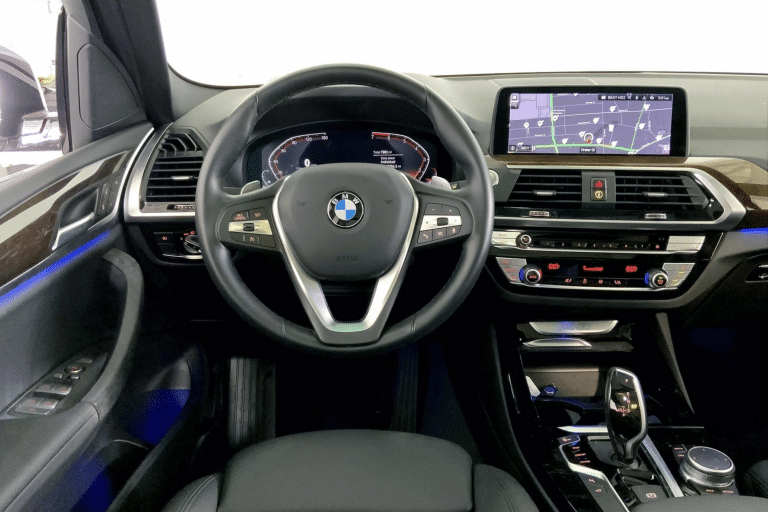
- Dashboard and cockpit views
- Front and rear seating
- Cargo space
- Infotainment and controls
- Odometer or instrument cluster when appropriate
- Feature details that matter to the vehicle
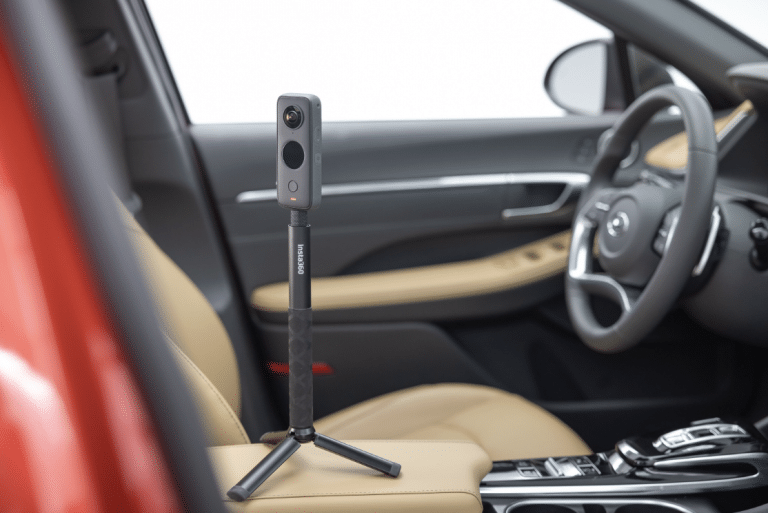
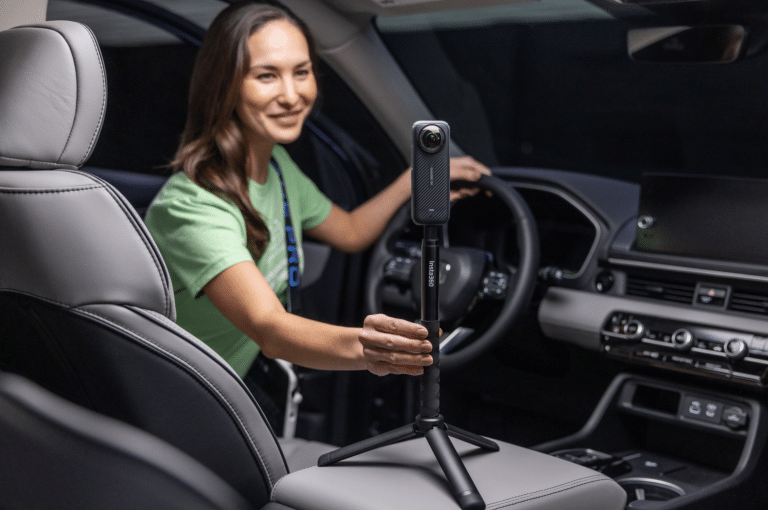
For higher-value units, 360° interior views can also help shoppers explore more confidently before visiting the dealership.
5. Check for Distractions
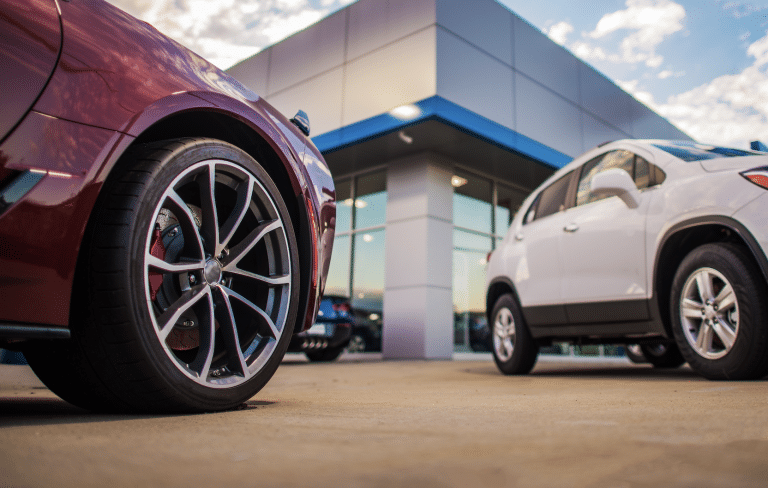
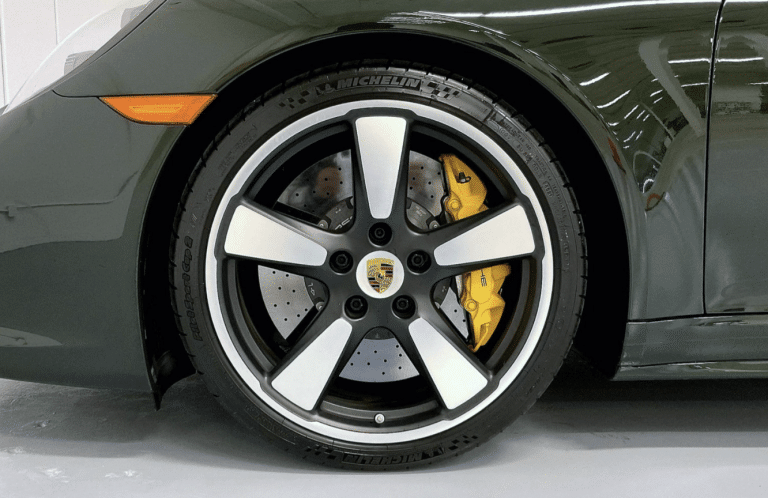
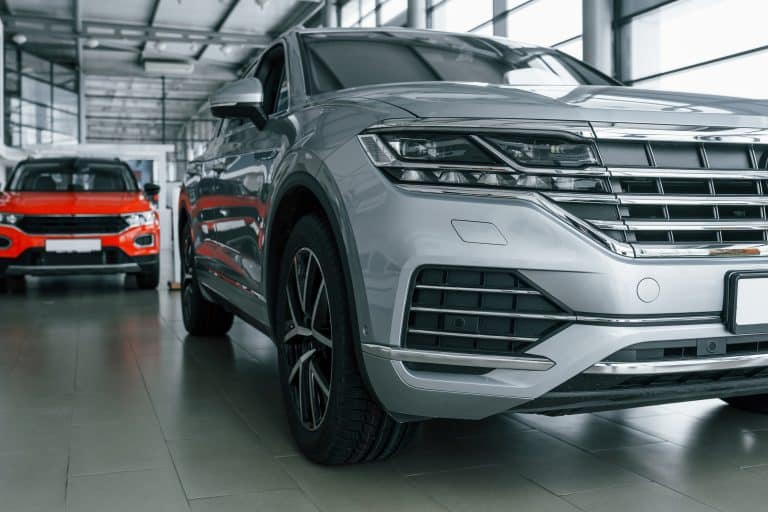
Even good vehicles can look less appealing when the photo environment is distracting. A cluttered lot, uneven background, poor lighting, open doors in the wrong shots, visible trash, or inconsistent staging can weaken the listing. These issues may seem small internally, but online they shape perception quickly.
During the audit, flag photos with:
- Busy or messy backgrounds
- Harsh glare or shadows
- Crooked framing
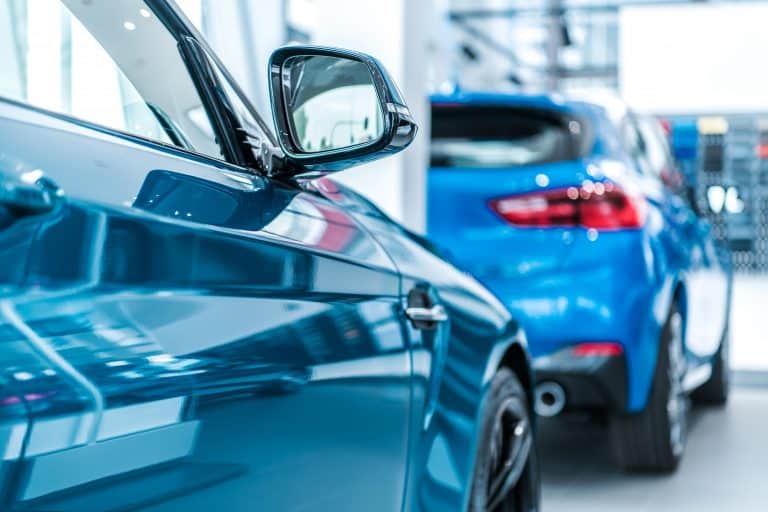
- Reflections that distract from the vehicle
- Inconsistent vehicle positioning
- Poor lighting
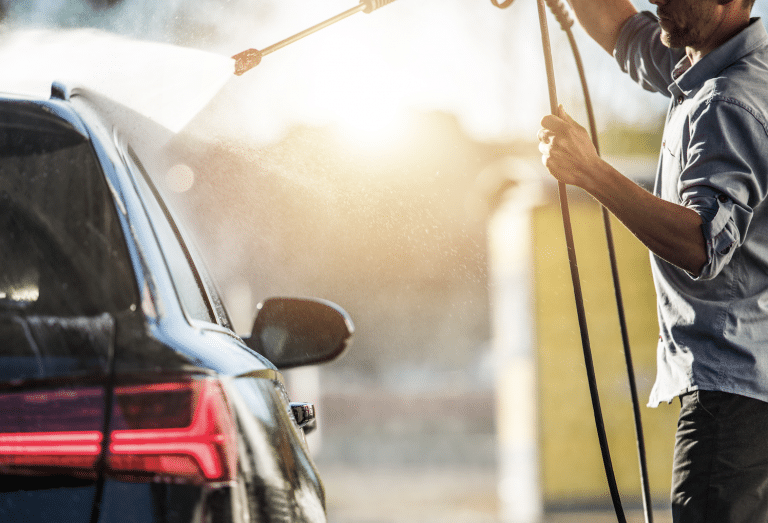
- Wet, dirty, or unprepared vehicles
The point is not perfection for its own sake. The point is helping each vehicle look credible, clean, and ready.
6. Compare New, Used, and Specialty Inventory
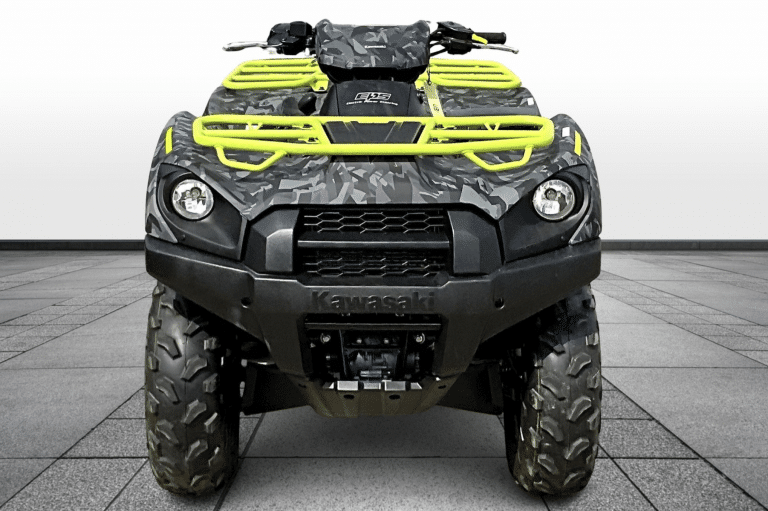
Not every vehicle category needs the exact same photo strategy, but every category needs a clear standard. New vehicles may require speed and consistency. Used vehicles may need more condition-focused detail. Powersports, marine, and specialty inventory may need angles that show features shoppers cannot assume from a standard vehicle listing.
Review each category separately:
- Are new vehicles being photographed efficiently and consistently?
- Are used vehicles getting enough detail to build confidence?
- Are premium units presented at a higher standard?
- Are motorcycles, boats, or powersports units captured with the right angles?
- Are photo expectations clear for every inventory type?
A strong audit does not just ask, “Do we have photos?” It asks, “Are these the right photos for this inventory?”
7. Review Team Process, Not Just Photo Quality
If you find photo issues, avoid treating them only as individual mistakes. Most photo problems come from process gaps. The photographer may not have clear guidance. The team may not know which vehicles are priority. The standard may have changed over time. Or the workflow may depend too much on memory.
Ask:
- Does the team know the required photo sequence?
- Is the process easy for new staff to follow?
- Are standards documented and repeatable?
- Is training available when someone needs a refresh?
- Are managers reviewing the right issues?
- Is the workflow simple enough to maintain during busy weeks?
A better process creates better photos more consistently.
8. Decide What Needs to Change Before Q3
Once the audit is complete, turn the findings into action. Do not create a long list that no one owns. Focus on the few changes that will make the biggest difference.
Good next steps may include:
- Rephotographing priority units with weak image sets
- Standardizing the first photo sequence
- Updating internal photo guidelines
- Refreshing team training
- Adding 360° interior capture for selected inventory
- Reviewing background removal or staging standards
- Setting clearer expectations for how quickly vehicles need complete media
The best audit is not a report. It is a reset.
Better Photos Start With a Better System
A mid-year inventory photo audit gives your dealership a clearer view of how your vehicles are showing up online. It helps you find missing media, tighten consistency, improve shopper trust, and make sure your team is ready for the next quarter. Most importantly, it shifts the conversation from “Are photos getting done?” to “Are our photos helping us sell?”
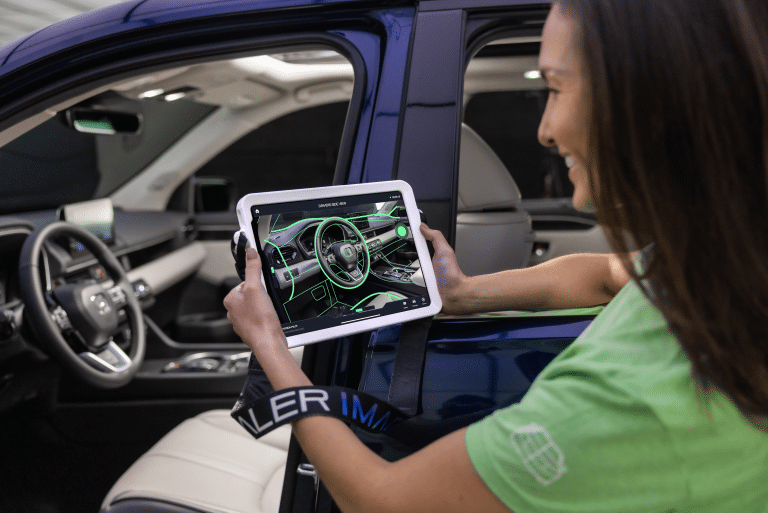
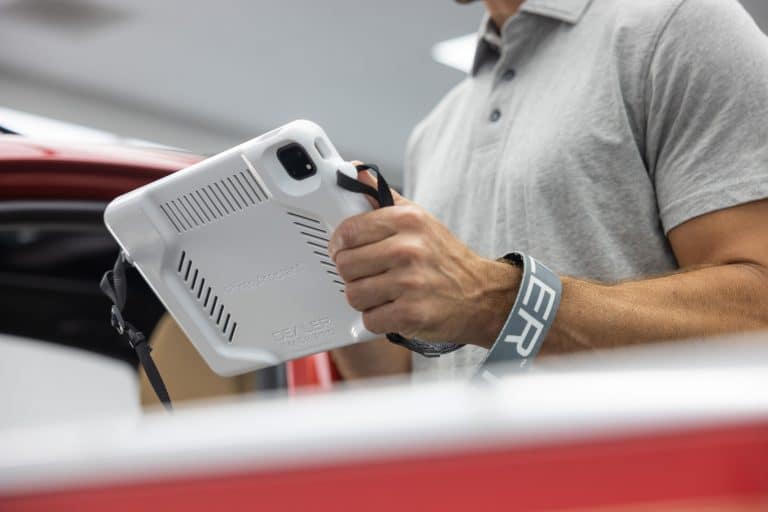
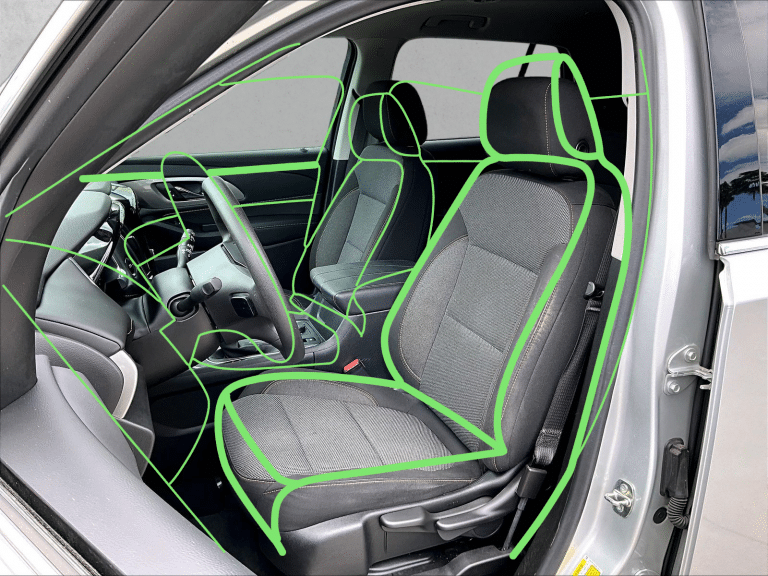
Dealer Image Pro helps dealerships create professional, consistent photos, videos, and 360° experiences in-house. With guided capture, wireframe standards, training, quality control, and automated workflow support, dealerships can keep inventory presentation strong across every vehicle.
Before Q3 begins, take a closer look at your inventory photos. The details shoppers see online may be shaping more decisions than you realize.
Want a more consistent inventory presentation before Q3? Book a Dealer Image Pro demo and see how your team can create professional vehicle photos in-house.
FAQs
What is an inventory photo audit?
An inventory photo audit is a review of your dealership’s vehicle photos to identify missing images, inconsistent standards, weak photo sequences, poor interior coverage, and other presentation issues.
How often should a dealership audit its inventory photos?
Dealerships should review inventory photos regularly, but a mid-year audit is especially useful because it gives teams time to improve presentation and process before Q3 and Q4.
What should dealerships look for in a photo audit?
Dealerships should look for missing photos, inconsistent angles, poor lighting, distracting backgrounds, incomplete interiors, weak first images, and photo sets that do not follow a repeatable sequence.
Why do consistent vehicle photos matter?
Consistent photos help shoppers compare vehicles more easily, build trust in the dealership, and create a more professional online experience.
How can Dealer Image Pro help with inventory photo consistency?
Dealer Image Pro helps dealerships capture professional inventory photos in-house with guided wireframes, repeatable photo sequences, training, quality control, and workflow tools built for dealership operations.