On this page:


Dealers already understand that merchandising matters.
The problem is rarely that dealerships do not care about merchandising.
The problem is that the process may lack clear ownership, daily visibility, or a consistent standard.
The real opportunity is creating an accountable, measurable process from acquisition to retail and putting actionable information in front of the right people at the right time, every day.
Every dealership wants to reduce speed-to-market because that is where much of the hidden ROI lives. Most dealers already measure portions of the process, particularly service and reconditioning. But a vehicle does not reach the retail market when the RO is closed or when it leaves detail.
It reaches the market when it is priced, fully merchandised, published online, and ready to compete on your website and 3rd party sites.
A vehicle can be acquired, appraised, serviced, reconditioned, detailed, and parked on the frontline, but if it’s still waiting on photos or missing key media, it is not truly market-ready.
From Acquisition to Retail
Speed-to-market should be viewed as the entire journey from acquisition to retail, not as a series of isolated departmental timelines.
That journey typically includes:
- Acquisition
- Appraisal and inspection
- Service
- Reconditioning
- Detail
- Pricing
- Photography
- Publication to the dealership website and third-party marketplaces
Each department may successfully complete its portion of the process while the vehicle still loses time between departments.
Recon may finish on Monday, but the vehicle does not reach detail until Tuesday. Detail may finish that afternoon, but the unit is blocked in, the keys are missing, and your photo vendor leaves for the day frustrated. The photos may be captured on Wednesday or worse, on Thursday when the vendor comes back, but an incomplete photo set or publishing issue delays the listing for another day.
No single delay appears catastrophic. But together, they quietly add hours and days to time-to-market.
Holding costs are burning and no one has clicked on that car online.
What to do
- Measure the full timeline from acquisition to photos live.
- Identify the handoff between every department.
- Assign ownership for moving the vehicle to the next stage.
- Track the time vehicles spend waiting between stages—not only the time spent within each stage.
- Always review the oldest units first.
The Merchandising Queue
Photos are often treated as a final marketing task. Operationally, photography should be treated as a required stage of inventory production.
A vehicle waiting for photos is unfinished inventory.
The common reasons are familiar:
- The photographer is only scheduled on certain days.
- The unit is blocked in.
- The keys cannot be located.
- The vehicle has not been moved from detail.
- Pricing or custom comments have not been completed.
- Required shots are missing.
- The photos were taken, but the vehicle is still not published.
- The online presentation does not meet the dealership’s standard.
What to do
- Treat the photo process as part of retail operations.
- Create a defined photo-ready location or staging area.
- Establish a process for keys and vehicle access.
- Use a required photo sequence for every vehicle.
- Give one person responsibility for the number of units waiting.
- Review that number with key stakeholders every day.
Reporting Creates Internal Initiative
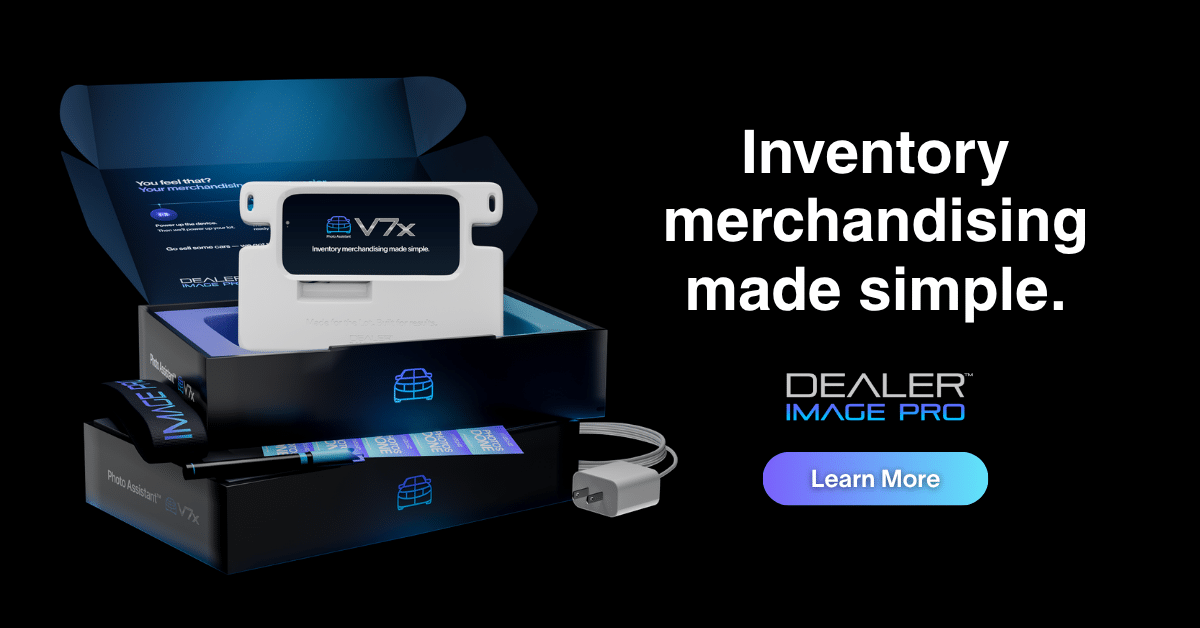
One of the most valuable things a photo-merchandising system can provide is automated reporting to the people who can act on it.
Good reporting does more than tell management what happened. It creates internal initiative.
When the photographer, used-car manager, GM, regional manager, and even corporate leadership have visibility into the same information, the process begins to manage itself more effectively.
A GM can see which retail-ready vehicles are still waiting for photos. The used-car manager can decide which units need to be brought forward immediately and have those conversations with the people responsible for the process. The photographer has a clear workload and measurable accountability. Regional leadership can see whether the same bottlenecks are occurring repeatedly at a particular store within the group.
Decisions that previously took days can happen in minutes because the information is already in front of the people who can act.
We see daily reporting used extensively within many of the largest automotive groups running our software. Reports reach management at the store level, continue through regional leadership, and sometimes reach all the way to the organization’s national pre-owned director.
The information becomes part of the daily conversation around bringing inventory to market. It permeates every level of management and turns improving time-to-market into a shared mission rather than another disconnected store-level task.
That is when a time-to-market initiative takes on an entirely different meaning.
When reporting becomes part of the dealership’s operating rhythm, vehicles are less likely to disappear into the gaps between recon, detail, pricing, and photography.
Shaving days from time-to-market across an entire inventory saves real dollars. It reduces unnecessary holding costs, helps protect gross profit, improves inventory turn, and gets vehicles competing for customers sooner.
What to do
- Automatically distribute reports to every person with responsibility for the process.
- Show which vehicles are waiting, how long they have been waiting, and why.
- Separate photo-ready units from vehicles still waiting on recon or detail.
- Identify photographed vehicles that have not yet been published.
- Escalate units that exceed the dealership’s target.
- Use the report to assign action—not simply review history.
Every Morning
Management should not have to discover during a lot walk that a retail-ready vehicle has been sitting without photos for three days.
The right people should begin every morning with a clear picture of what has stalled and what needs to happen next.
Every morning, the dealership should know:
- How many retail units are waiting for photos.
- Which vehicles have incomplete media.
- Which photographed units are still not live.
- How long each vehicle has been in inventory.
- Where each delayed vehicle is physically located.
- Whether the blocker is recon, detail, pricing, keys, photography, or publication.
- Who owns the next action.
Fewer lengthy meetings. More visibility, accountability, and ownership of the next action.
In-House Merchandising Creates Control and Capability
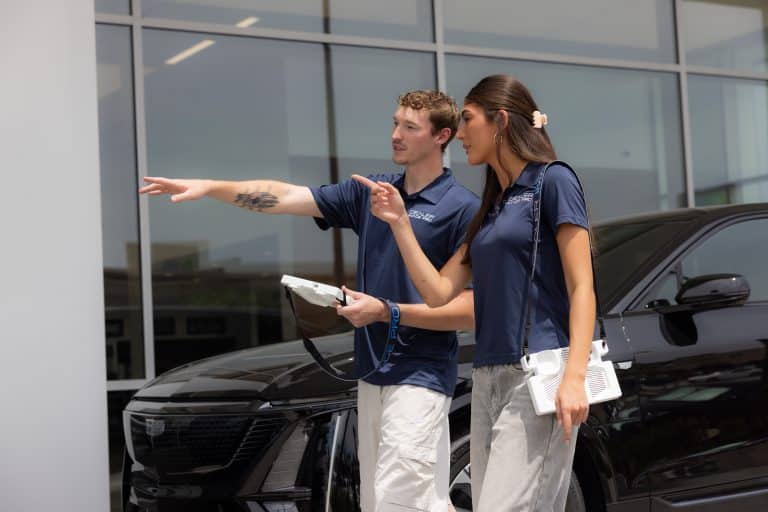
A dealership that can merchandise its own inventory has the ability to respond to the needs of the store every day.
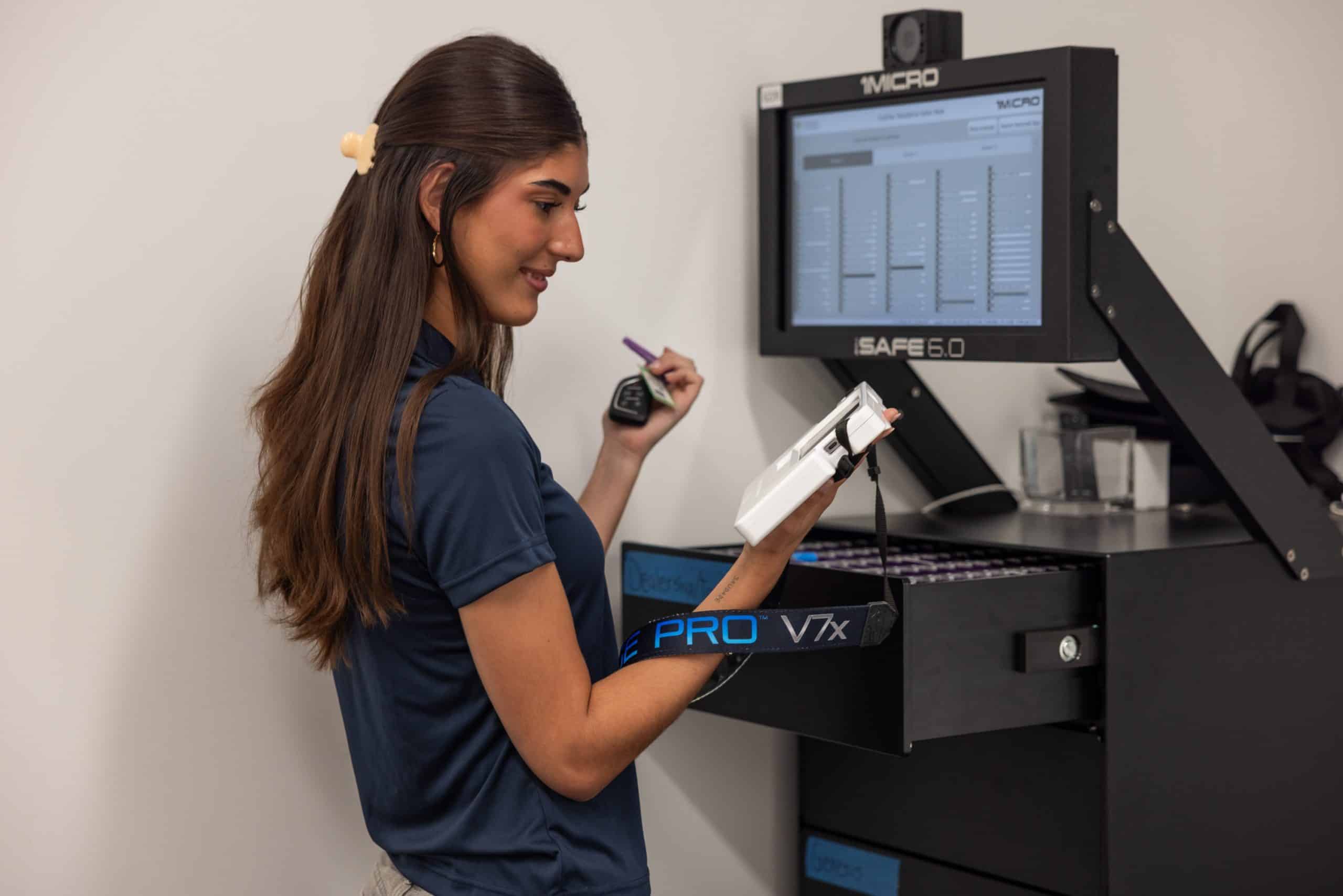
It does not have to wait for an outside photographer’s next scheduled visit. A vehicle that clears detail in the morning can be photographed that afternoon. A missed shot can be corrected immediately. Priority units can be moved to the front of the queue based on age, market demand, or management direction.
But simply bringing photography in-house is not enough.
Without a guided process, quality can become inconsistent. Without reporting, management may still lack visibility. Without defined standards, one vehicle may receive 12 photos while another receives 40, and each photographer may capture inventory differently.
Control works best when paired with capability and accountability.
Dealer Image Pro is a software system built around that principle.
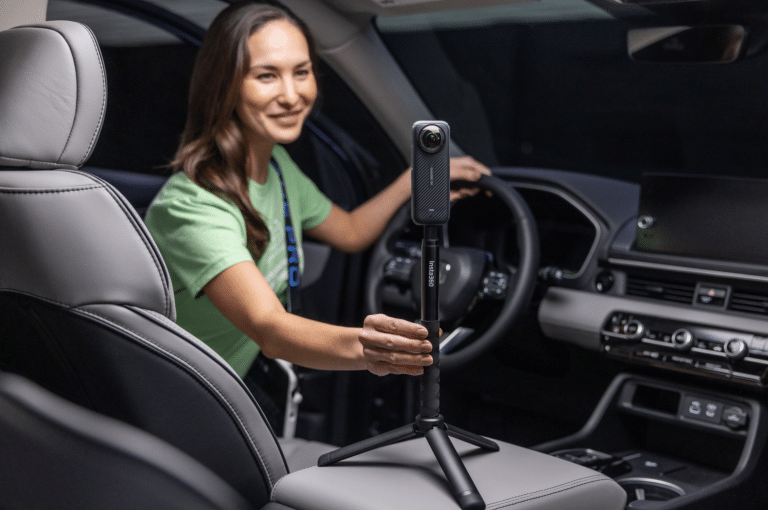
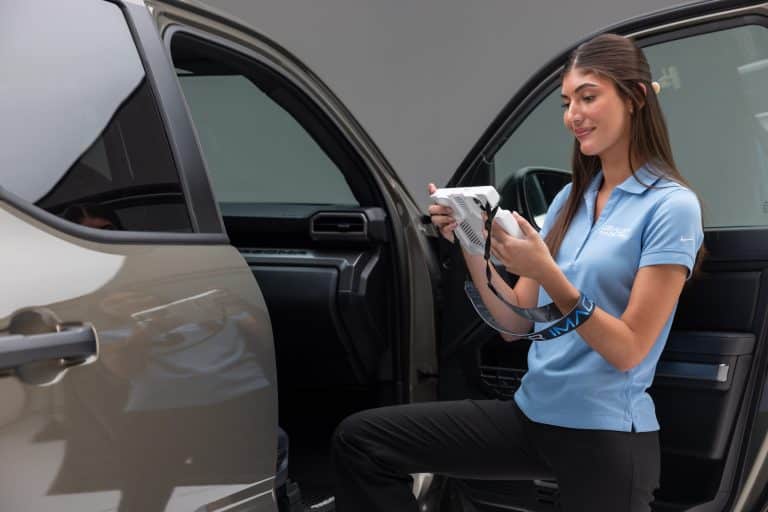
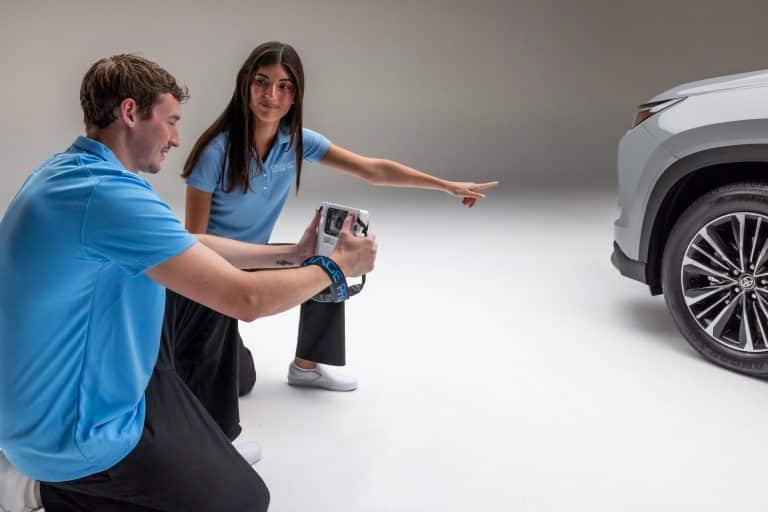
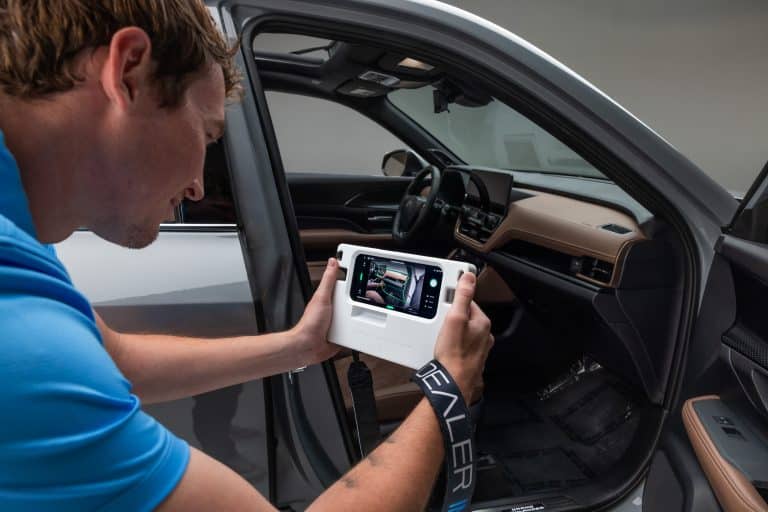
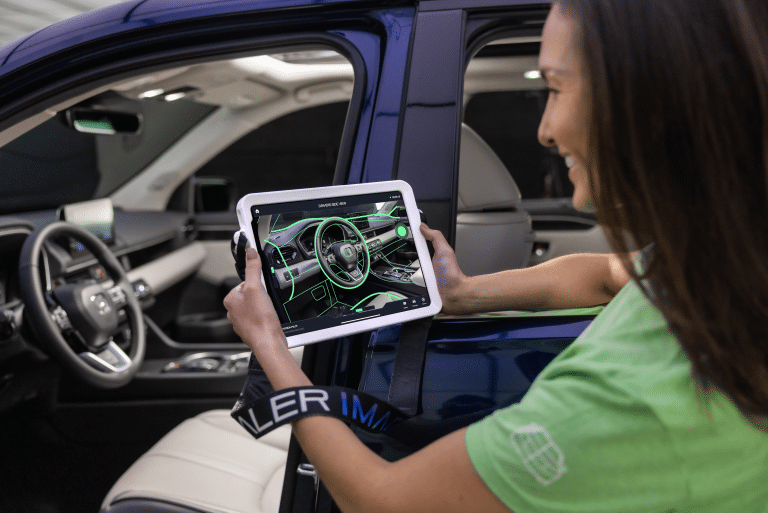
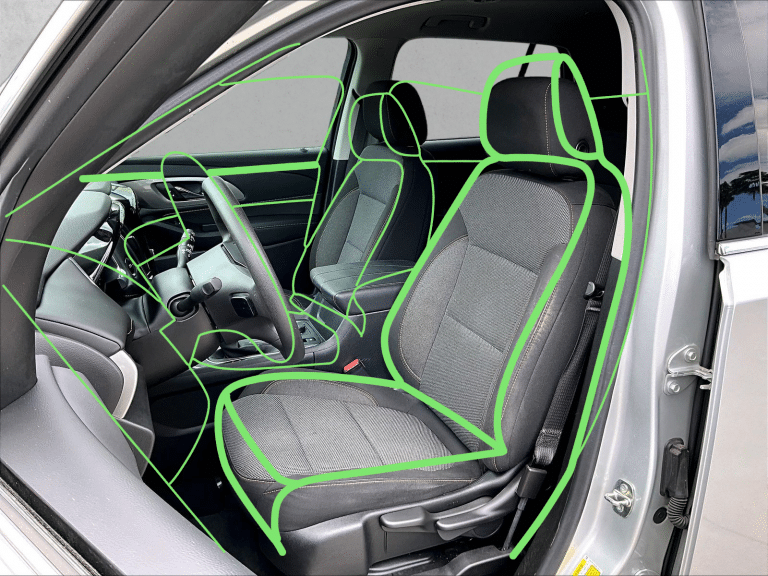
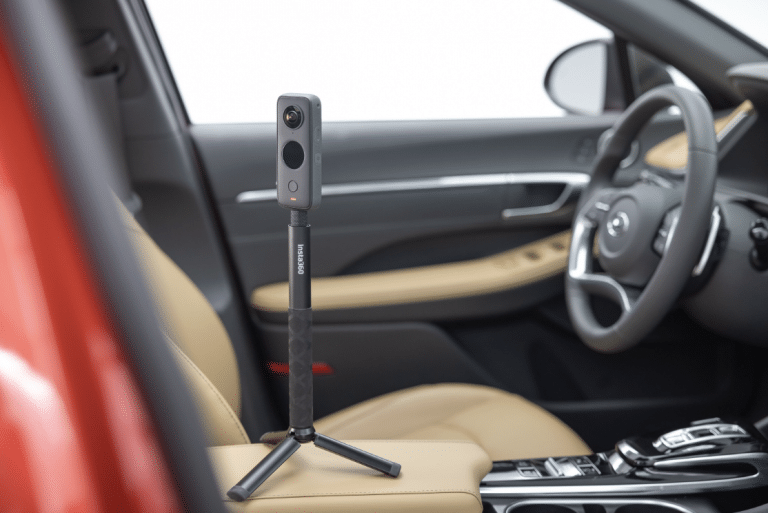
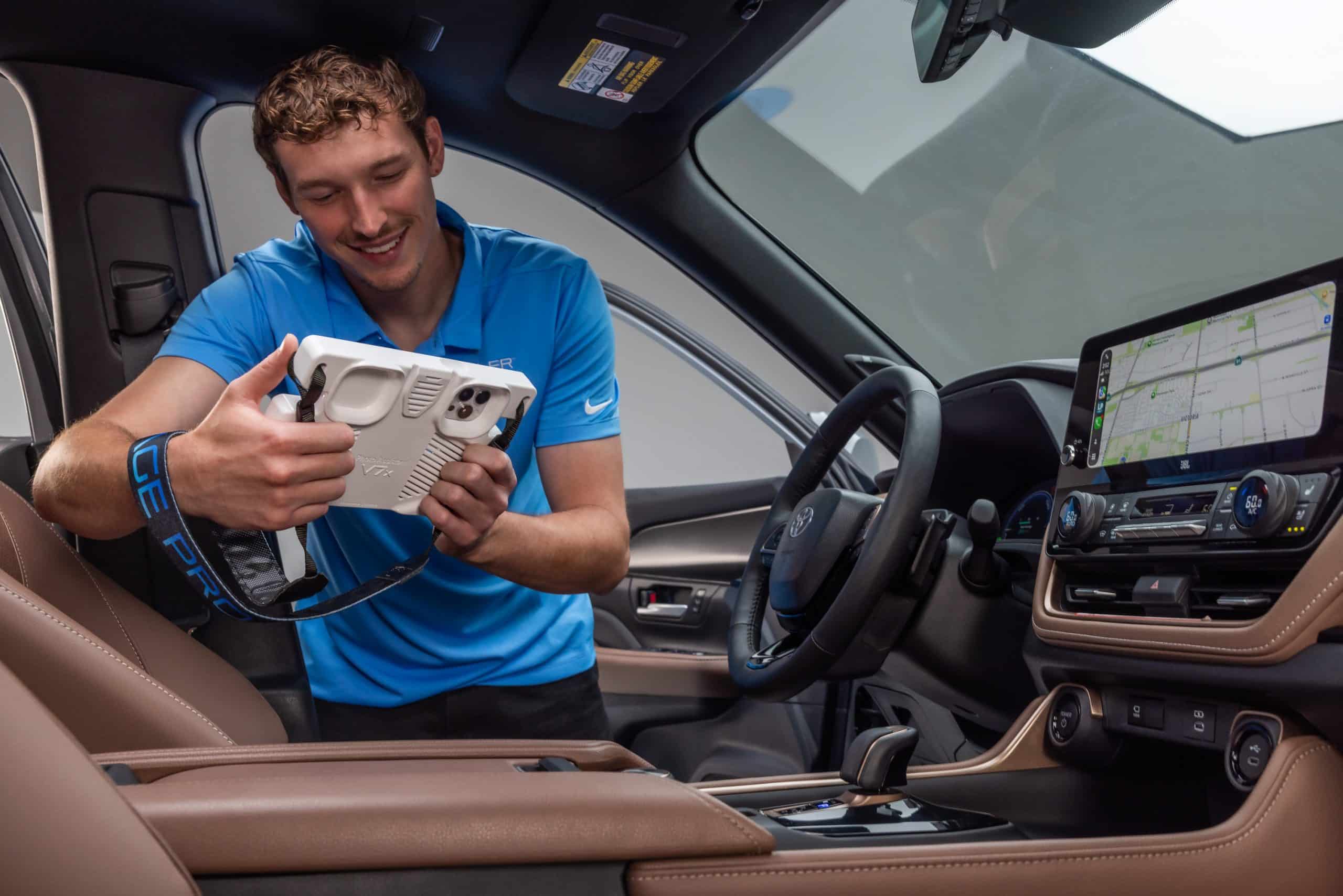
Photo Assistant™ guides dealership personnel through a repeatable capture process for photos, video, 360-degree content, and other merchandising assets.
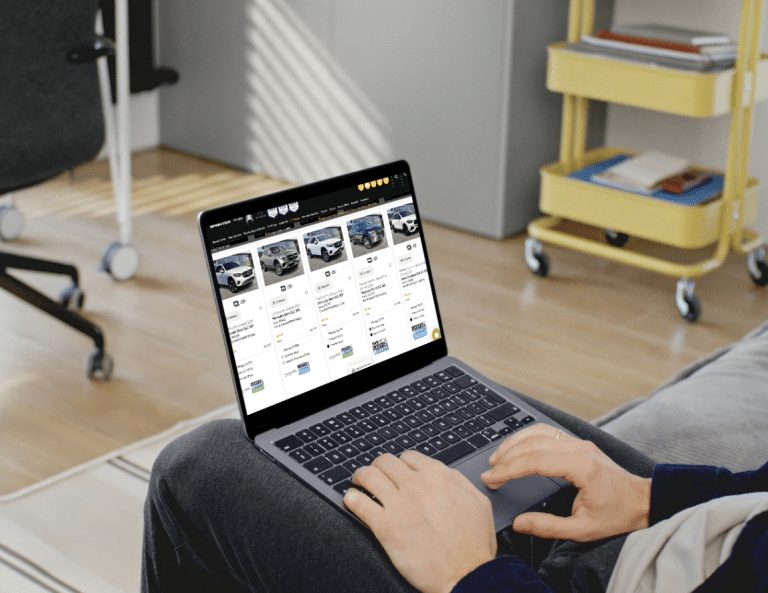
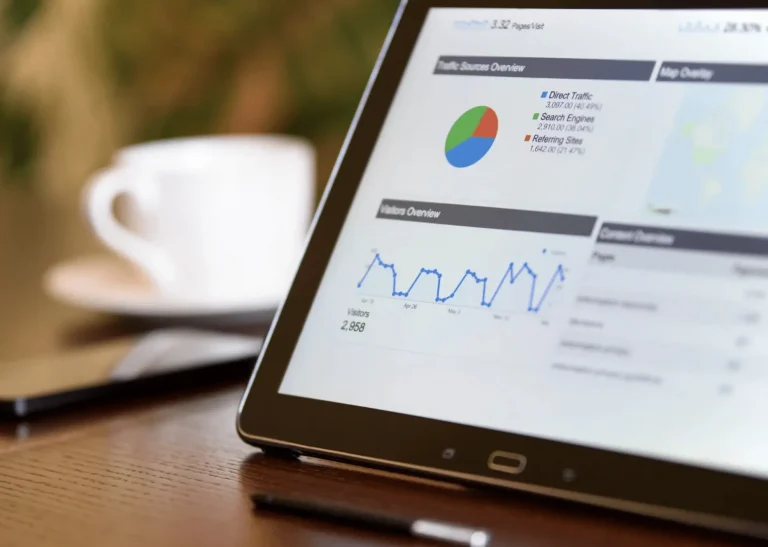
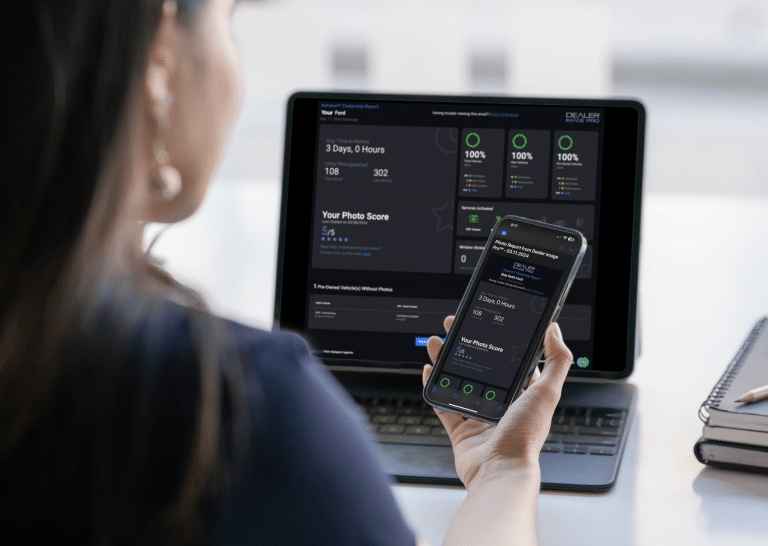
Autoport® provides management with visibility into media status, publishing activity, and speed-to-market performance.
The goal is not simply to help dealerships take better pictures.
The goal is to help them build a better process from acquisition to retail.
Make It Measurable
Start with the vehicles that are waiting right now.
Compare the dealership’s retail-ready inventory with the vehicles that are fully represented online.
Then ask:
- Is every retail-ready unit photographed?
- Is the full photo set complete?
- Is the vehicle published everywhere it should be?
- Does the presentation meet the dealership’s standard?
- Can management identify the owner of the next action?
- Is the dealership measuring how long the entire process takes?
The difference between what is physically ready and what is actually live online is the opportunity.
Mechanically ready is an important milestone. It is not the finish line.
All of this may seem obvious on its face, but time and again, this is where I see dealers fall short.
A vehicle is market-ready when the car buyer can find it, evaluate it, trust the dealership’s presentation, and decide whether it is worth the drive, the call, or the online lead.
No pics, no clicks.