On this page:




A dealership process can look flawless on paper and still break down on the floor. Vehicles move through inventory. Photos get captured. Leads receive follow-up. Managers review performance. Every task has a logical place in the workflow.
Then the store gets busy.
A team member calls out. A vehicle arrives without the expected paperwork. One department assumes another handled the next step. A task gets delayed. Ownership becomes unclear. Standards start to slip. Strong dealerships are built around consistent execution. They create workflows that hold up when the day gets busy, responsibilities shift, and something unexpected happens.
That consistency has a direct impact on efficiency, inventory turn, customer experience, and ultimately, profitability.
The Gaps Between People Create the Biggest Problems
Consider a typical vehicle merchandising workflow.
A vehicle arrives and needs to be inspected, reconditioned, cleaned, photographed, priced, uploaded, and published online.
The individual tasks are straightforward. The handoffs are where momentum is often lost.
- Who tells the detail team the vehicle is ready?
- Who confirms reconditioning is complete?
- Who owns the photography deadline?
- Who verifies the vehicle is live online?
- Who takes ownership when the normal workflow hits an exception?
Without clear answers, the process starts depending on memory, assumptions, and individual initiative. That can quickly lead to vehicles sitting offline longer than necessary.
Every additional day without complete, professional merchandising is another day shoppers cannot properly discover and evaluate that vehicle.
A strong workflow defines each task, each handoff, and the person responsible for keeping the vehicle moving.
Why Dealership Processes Break Down
Ownership Is Unclear
Shared responsibility can easily create unclear accountability. Strong dealerships assign an owner at every stage of the workflow. That person may not personally perform every task, but they are responsible for making sure it gets completed correctly and on time.
Clear ownership keeps work moving and gives managers a clear view of where support may be needed.
Handoffs Rely on Assumptions
A task can be complete without the next person knowing they are ready to begin. One team finishes its responsibility. Another waits for an update. Meanwhile, the vehicle sits.
High-performing dealerships make handoffs visible through clear signals, shared tools, defined statuses, and simple communication standards. Everyone knows when their work begins and what needs to happen next.
The Process Has Too Much Friction
Every unnecessary step creates another opportunity for delay. When employees have to move between multiple systems, enter the same information twice, track down approvals, or rely on manual communication, consistency becomes harder to maintain. The best workflows are simple by design. They make the correct next action clear and easy to complete.
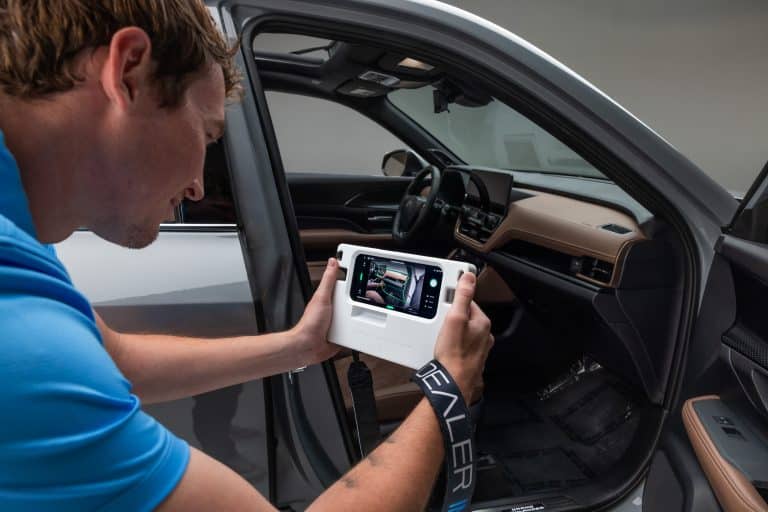
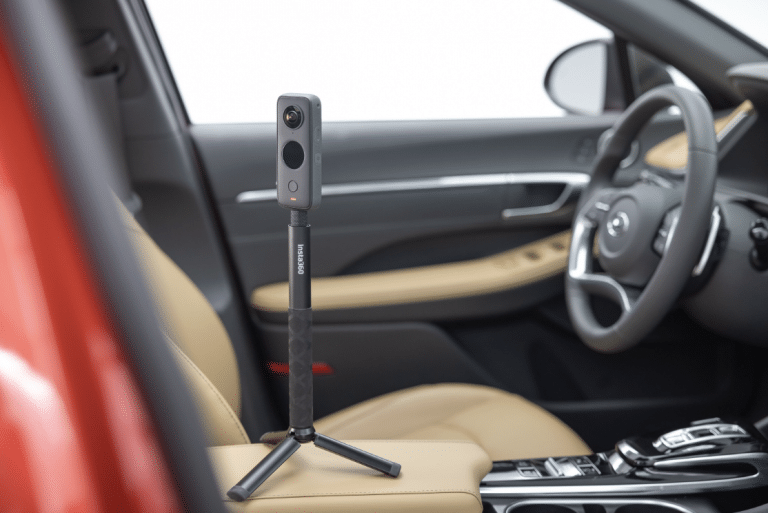
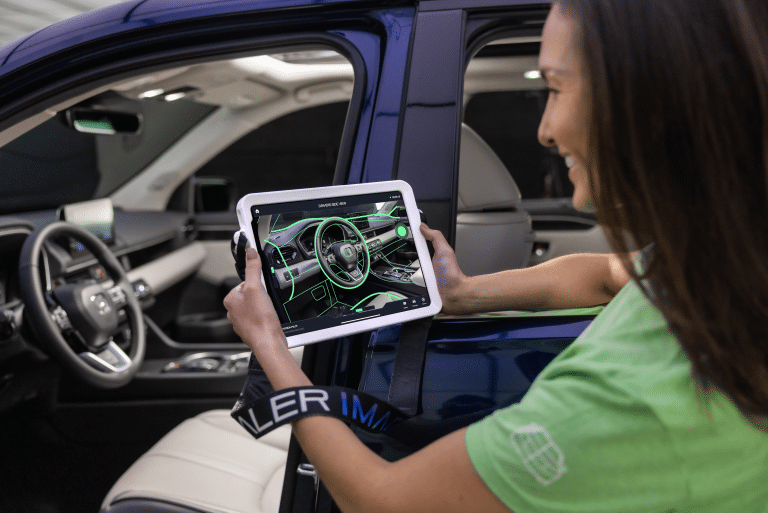
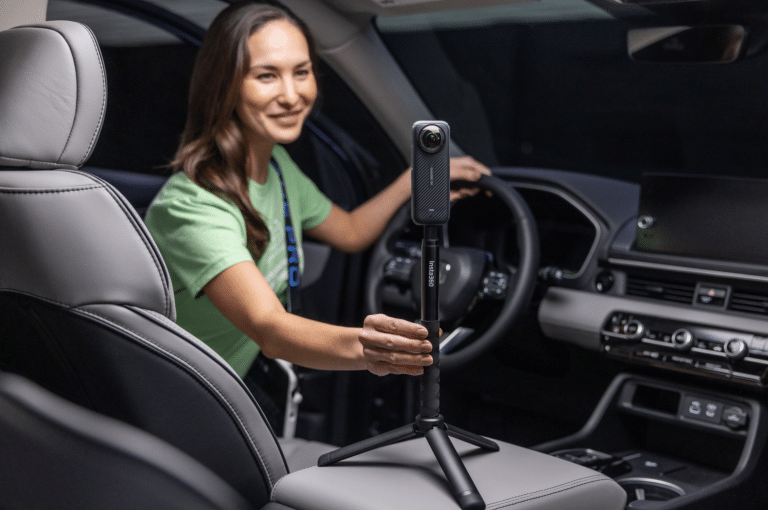
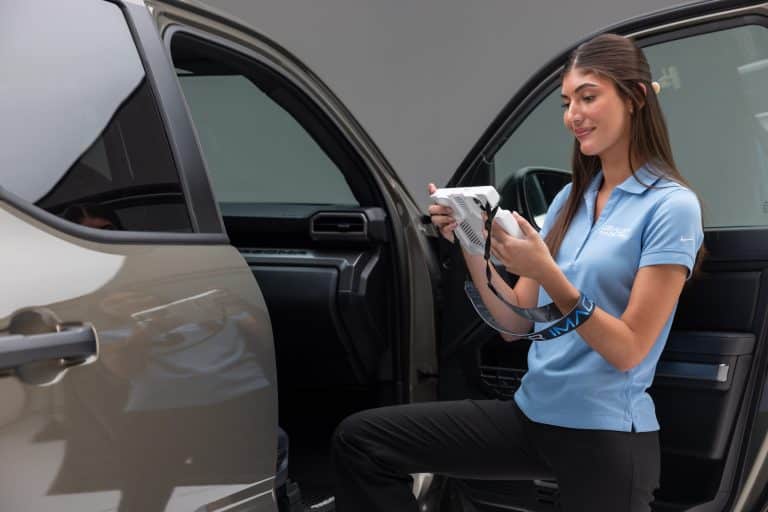
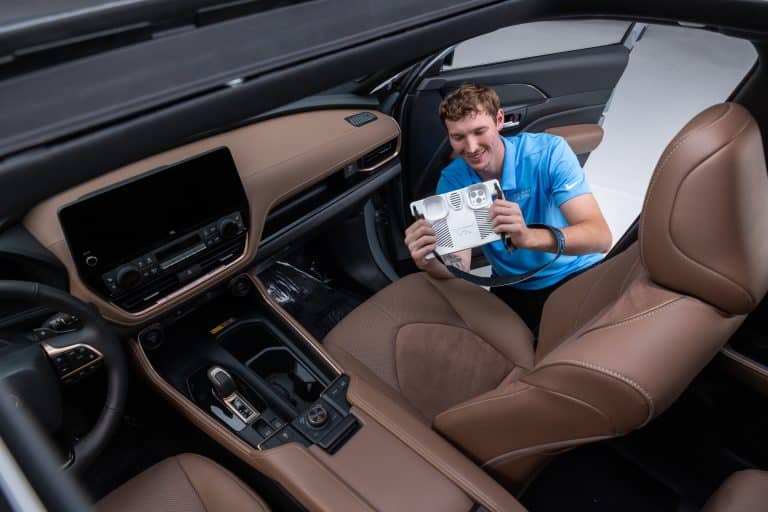
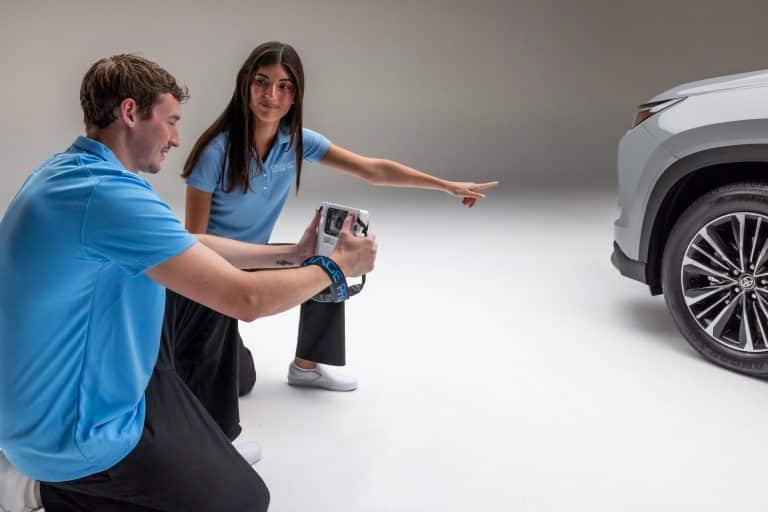
This is especially important in vehicle merchandising. Bringing photography in-house, supported by the right technology and workflow, can give dealerships greater control over when vehicles are photographed and how consistently they are presented. It also reduces dependence on outside schedules and helps teams move inventory online faster.
Standards Are Vague
“Get the vehicle online quickly” leaves too much open to interpretation. A useful standard answers the practical questions: How quickly? Who owns the deadline? What qualifies as retail-ready? What happens when photos, pricing, or vehicle information are incomplete? Specific standards give teams a shared definition of success.
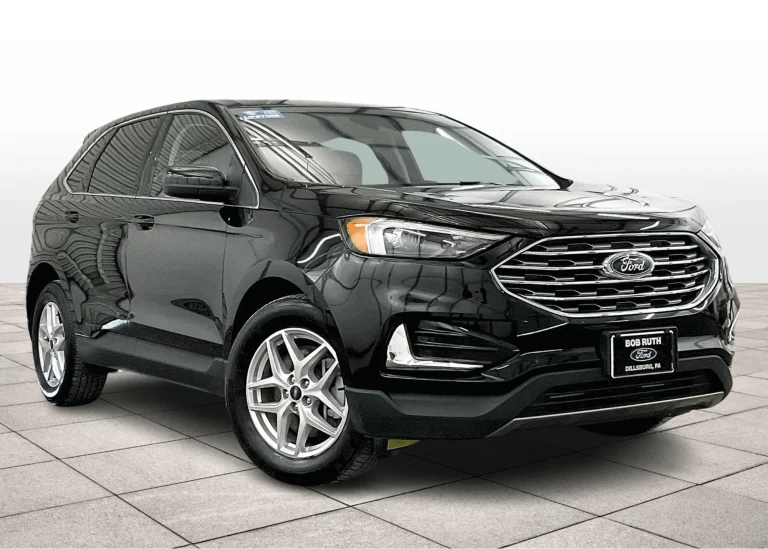
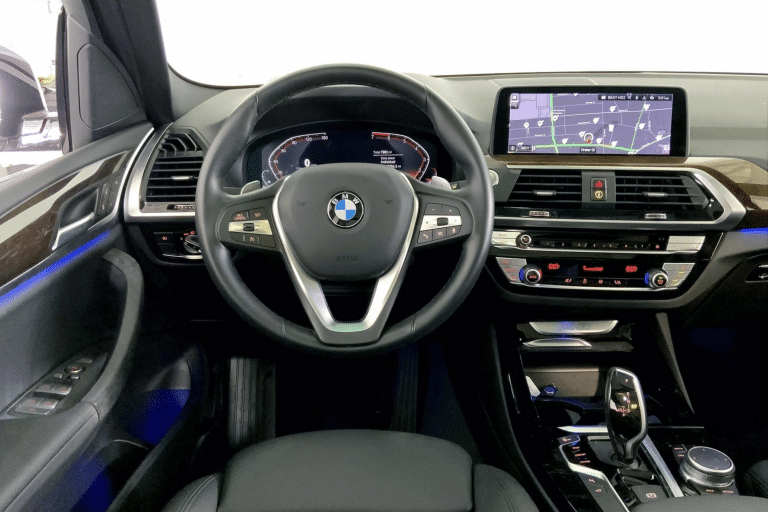
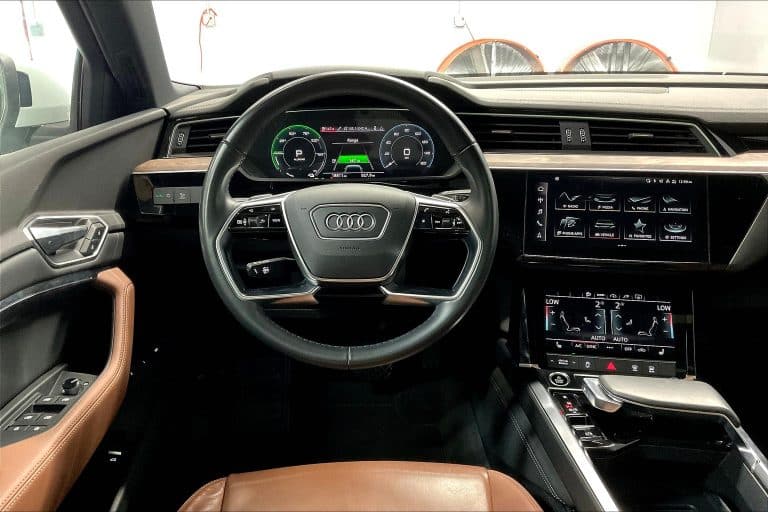
That consistency matters to shoppers, too. When every vehicle is photographed and presented to the same professional standard, the dealership creates a more credible online experience. Buyers know what to expect, and that helps build trust before they ever arrive at the store.
Exceptions Have No Clear Path Forward
Exceptions are part of dealership operations. A vehicle needs additional repairs. Photos need to be retaken. Information is missing. A staff member is unavailable. Effective workflows anticipate these situations. The team knows who makes the decision, how the issue gets escalated, and what needs to happen to move the vehicle forward. Without that structure, one unusual situation can turn into days of unnecessary delay.
What Top-Performing Dealers Do Differently
They Give Every Step an Owner
Top dealerships can identify who owns each stage and who is accountable for the final result.
Employees know where their responsibility begins, what successful completion looks like, and what needs to happen before the work moves to the next person.
That clarity keeps inventory moving.
They Build for Real Dealership Conditions
A workflow has to work on the busiest day of the week.
High-performing dealerships account for staffing changes, rush periods, delayed vehicles, missing information, system issues, and other predictable disruptions.
Their teams have a clear path forward when the day does not go according to plan.
They Make Progress Visible
Managers should be able to see where inventory stands without tracking down multiple people for answers. Clear status tracking makes bottlenecks visible. Teams can quickly identify which vehicles are waiting for detail, photography, approval, or publication. That visibility creates accountability while giving managers better information to improve the workflow.
For merchandising teams, it also makes time-to-market measurable. When a dealership can see exactly how long vehicles spend at each stage, it becomes much easier to identify delays that are keeping inventory offline.
They Remove Unnecessary Steps
Top dealerships regularly examine how work gets done.
They ask:
- Does this step improve the outcome?
- Are we entering the same information more than once?
- Is this approval necessary?
- Can this handoff be automated?
- What is preventing the next person from starting?
- Can we bring more of this workflow under our own control?
The goal is a workflow that moves quickly while protecting quality.
In vehicle photography, that can mean replacing scheduling dependencies and inconsistent processes with an in-house system that gives the dealership control over speed, presentation, and cost.
They Reinforce Standards Consistently
Processes become habits through repetition and leadership.
Managers review performance, coach their teams, reinforce expectations, and address breakdowns when they happen. They also recognize where the process itself needs improvement.
That creates accountability with a purpose: helping the team perform consistently and giving every vehicle the attention it deserves.
How to Build a Process That Sticks
Choose one workflow that regularly creates delays and map it from beginning to end.
At every stage, ask five questions:
- Who owns this step?
- What signals that the work is ready to begin?
- What does successful completion look like?
- How does the next person know it is ready?
- What happens when something goes wrong?
The answers will quickly reveal where ownership, communication, or visibility is missing.
Then simplify.
Assign clear owners. Establish measurable standards. Make progress visible. Automate repetitive steps where it makes sense. Test the workflow under actual dealership conditions and listen to the employees who use it every day.
For inventory merchandising, pay particular attention to how quickly a vehicle moves from arrival to a complete, professional online listing. Photography is a critical part of that timeline because shoppers form an impression of the vehicle—and the dealership—through those images.
More control over that process can mean faster merchandising, greater consistency, lower long-term costs, and a stronger online presence.
Consistency Creates a Competitive Advantage
Dealership performance is shaped by what happens every day. Clear ownership keeps work moving. Visible handoffs prevent vehicles from getting stuck. Simple workflows make execution easier. Defined standards create consistency. The right technology removes repetitive work and gives teams greater control.
For vehicle merchandising, the result is easy to see: inventory gets online faster, every vehicle is presented professionally, and shoppers get a consistent experience they can trust. The dealerships that execute well create an operating rhythm their teams can rely on—and a retail experience customers can recognize from the first photo.