On this page:


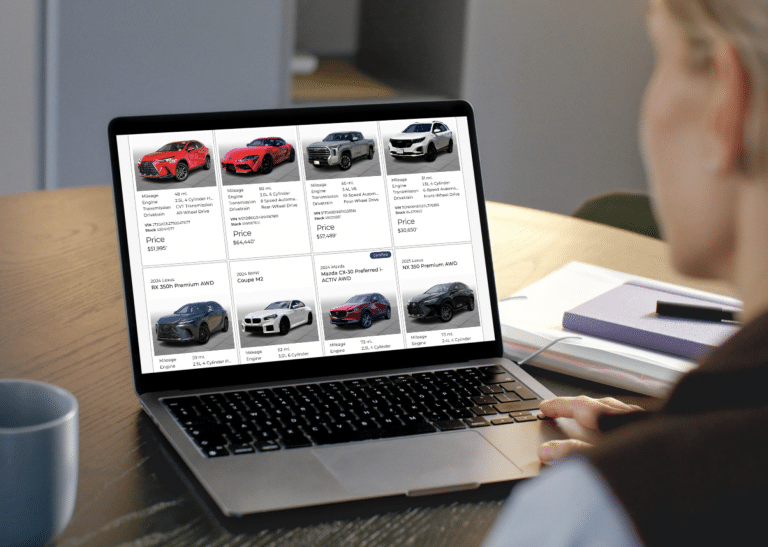
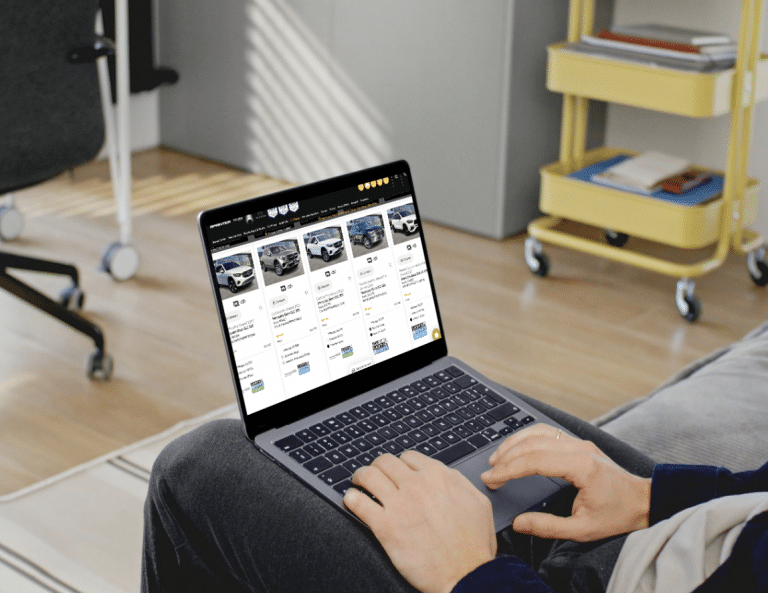
A vehicle may appear on the dealership website, third-party marketplaces, social media, email, paid advertisements, and video platforms. Each channel has different technical requirements, but the vehicle and the dealership’s brand should remain recognizable wherever the customer finds it.
Maintaining that consistency is not simply a design task. It requires clear asset ownership, documented channel requirements, and a reliable way to remove outdated media.
Establish a Master Asset Set
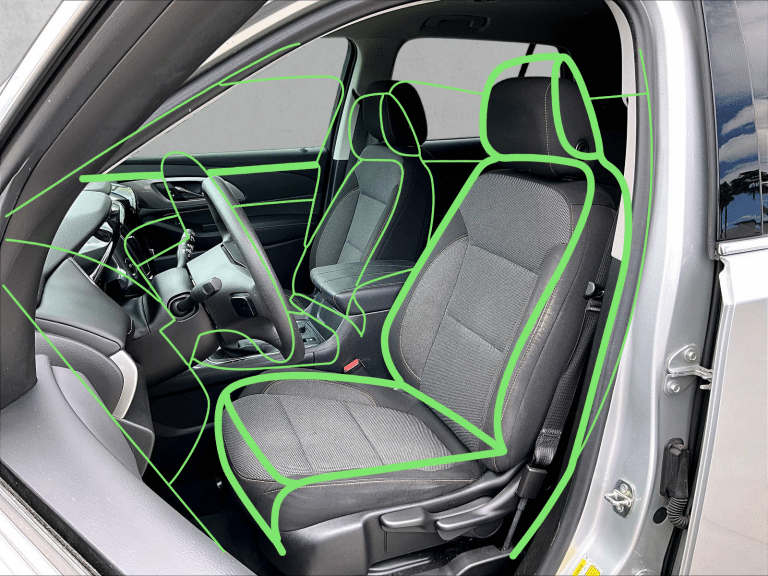
Start with one approved set of media for each vehicle. The master set should contain the correct lead image, a complete gallery in the intended order, and any approved video or 360 content. It should also identify the current version of promotional graphics used with the vehicle.
When several employees or vendors maintain separate folders, it becomes easy for an older image set to return to a live campaign. A single approved source makes it easier to determine which assets should be used and which should be retired.
Assign ownership of that source. The marketing manager may oversee standards, while the inventory or merchandising team confirms that each vehicle’s content is complete and current.
Document Channel Requirements
Do not assume that every destination handles media the same way. Create a simple channel matrix that records:
- Preferred image dimensions and aspect ratios.
- Minimum and maximum image counts.
- Lead-image and gallery-order requirements.
- Support for video, 360 views, links, or embedded viewers.
- Rules for logos, promotional graphics, and offer language.
- The expected update or removal schedule.
This reference can prevent repeated troubleshooting. It also helps the marketing team adapt the approved asset set without creating an entirely separate version of the vehicle’s story for each channel.
AutoPort® supports multiple image export ratios from the same store, allowing dealerships to meet different inventory-system requirements while maintaining a consistent source set. The marketing team should still verify the customer-facing result on each important destination.
Keep Branding Useful
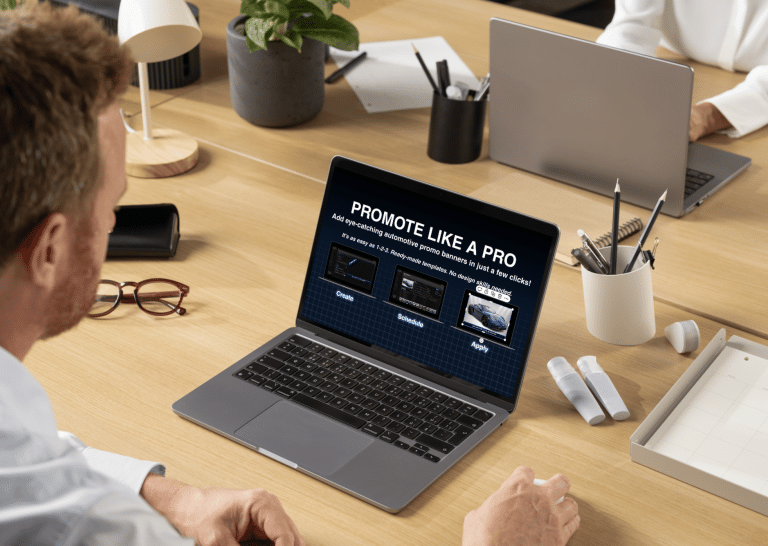
Branded backgrounds, promotional banners, and dealership graphics can strengthen recognition, but they should support the vehicle rather than compete with it. Establish rules for placement, size, approved colors, offer dates, and required disclaimers.
Use promotional graphics selectively. A permanent logo treatment may work across much of the inventory, while an incentive or model-specific offer needs an expiration and removal process. Every graphic should remain readable without covering vehicle details.
The same principle applies to video. Intros, outros, voiceovers, and calls to action should follow a consistent dealership standard so videos from different departments still feel connected.
Control Outdated Assets
Old media can remain active after a vehicle is reconditioned, transferred, repriced, or sold. Marketing managers should define events that require an asset review.
These may include a new image set, a significant appearance change, a campaign launch, a store transfer, or a status change. Confirm which system controls the update and how quickly connected destinations are expected to reflect it.
Avoid relying on visual memory. Track the vehicle by VIN and record the current asset status. This is especially important when stock numbers are reused or similar vehicles appear in the same campaign.
Review a Representative Sample
A marketing manager does not need to inspect every gallery manually. Review a rotating sample across new inventory, used vehicles, priority models, active promotions, and different publishing destinations.
Check the lead image, gallery order, crop, branding, vehicle match, video availability, and promotional accuracy. Record issues by VIN and channel so the responsible team or provider can correct the source rather than patching one destination at a time.
Measure Consistency as an Operating Standard
Track recurring exceptions such as incorrect lead images, outdated offers, broken media, inconsistent crops, and missing galleries. Patterns reveal whether the problem comes from the source assets, a feed, a destination requirement, or an internal approval step.
Cross-channel consistency depends on clear standards and dependable upkeep. When the dealership works from one approved asset set and adapts it carefully for each destination, marketing can move faster without losing control of presentation.
Make Approved Assets Easy to Share
Dealer Image Pro makes it easier to reuse approved vehicle media without searching through separate folders or requesting files from multiple teams. From Autoport®, dealerships can download vehicle images directly for use across social media, email campaigns, digital advertising, and other marketing channels.
Teams can also share a downloadable image link with potential buyers, giving them quick access to a vehicle’s current photo set. Because the images come from the same approved source, dealerships can distribute inventory content faster while maintaining a consistent presentation across every customer touchpoint.
FAQs
Why is consistent vehicle media important across marketing channels?
Consistent photos, videos, branding, and promotional graphics help customers recognize the dealership and create a more professional experience wherever they find the vehicle.
What should a dealership include in its master asset set?
A master asset set should include the approved lead image, complete photo gallery in the correct order, current video or 360 content, and any approved promotional graphics.
How can dealerships prevent outdated vehicle images from being used?
Dealerships should manage media by VIN, assign ownership of the approved asset set, and establish a process for reviewing content after a vehicle is reconditioned, transferred, repriced, or sold.
How does Dealer Image Pro make vehicle images easier to use across platforms?
Autoport® allows dealerships to download approved vehicle images for use in social media, email, advertising, and other marketing channels. Teams can also share downloadable image links with potential buyers, helping them distribute current vehicle media quickly and consistently.